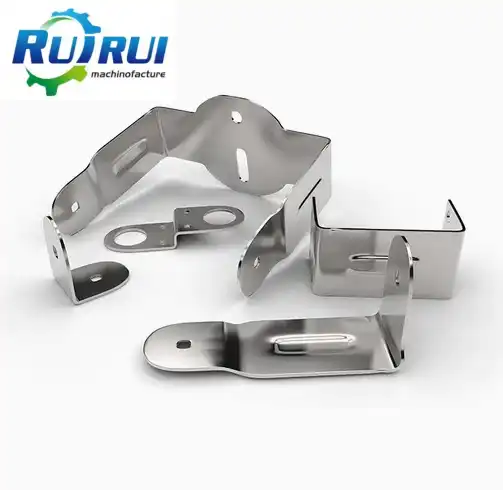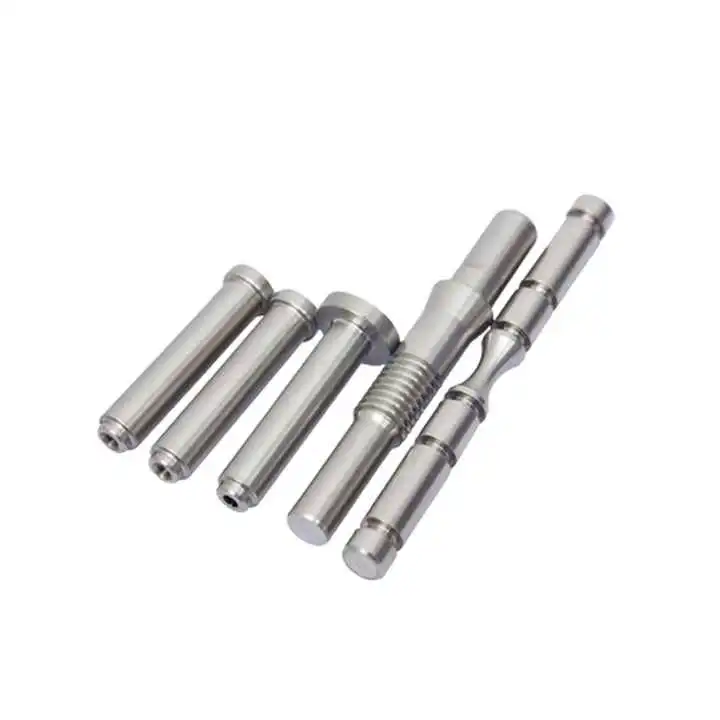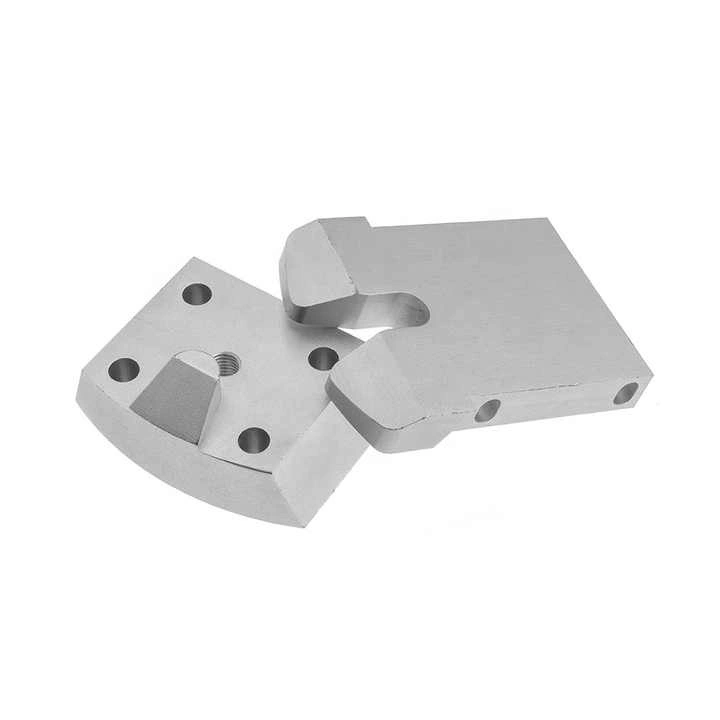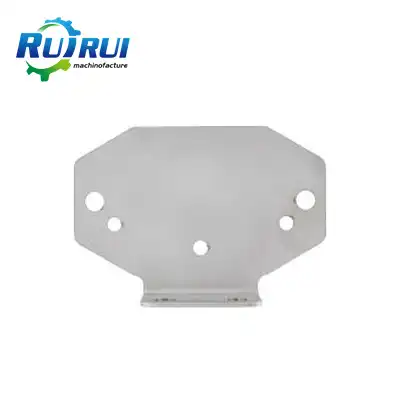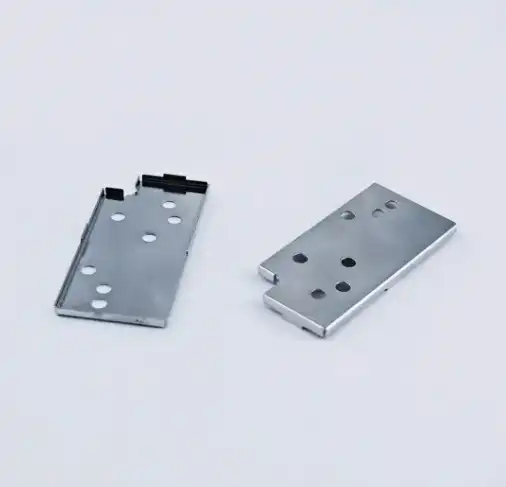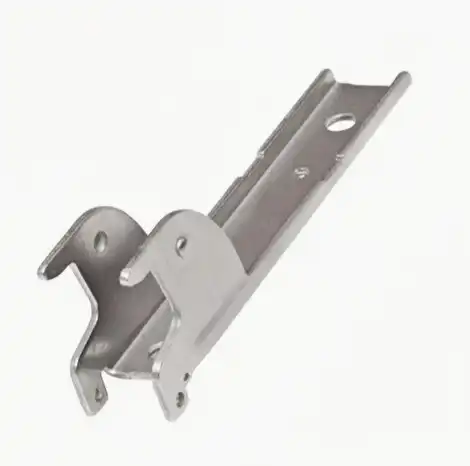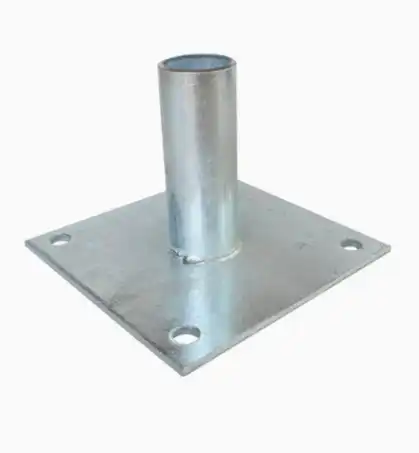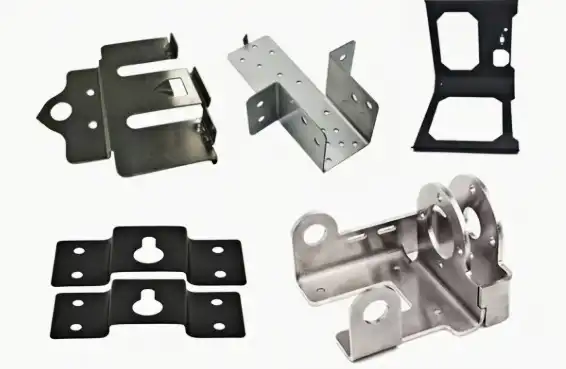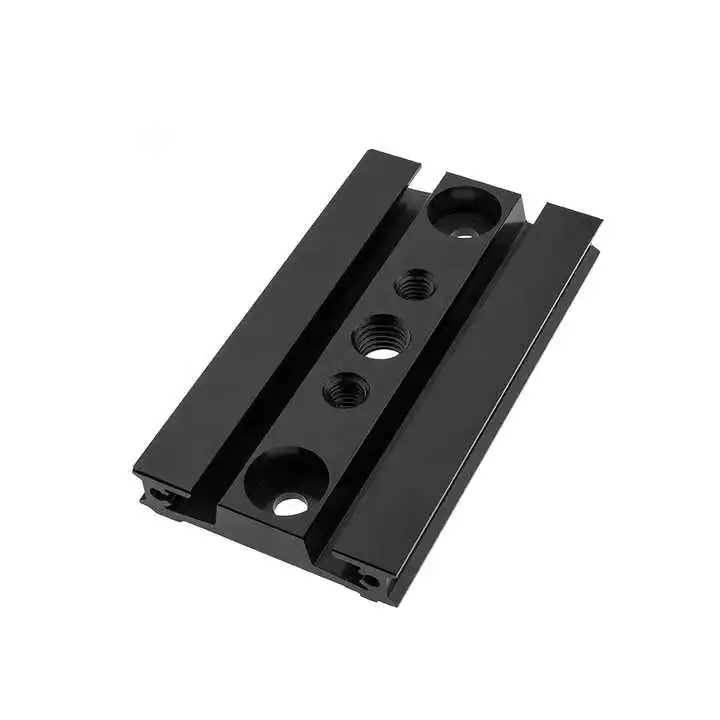
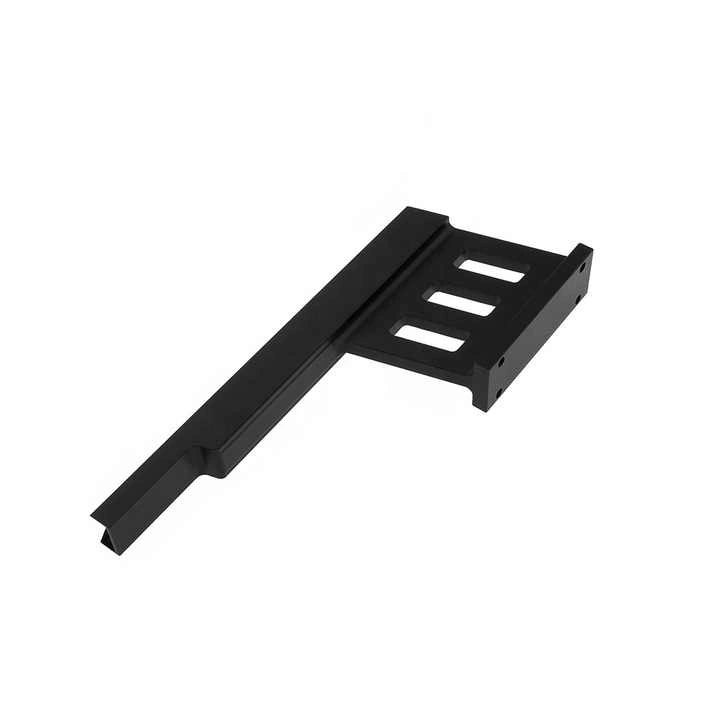
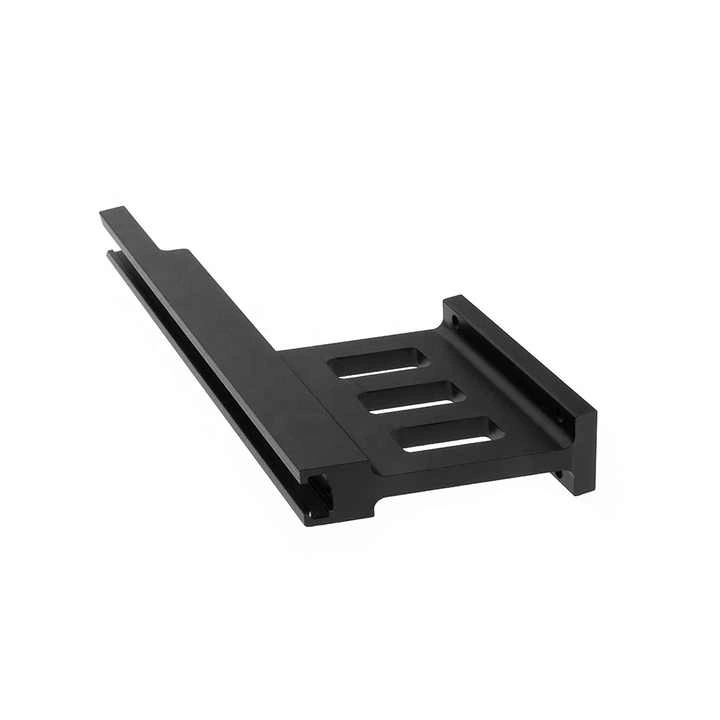
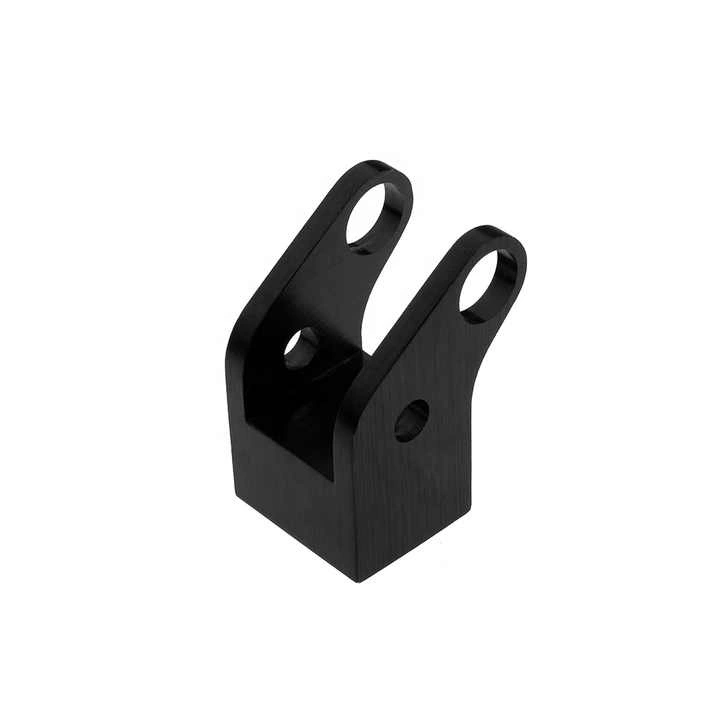
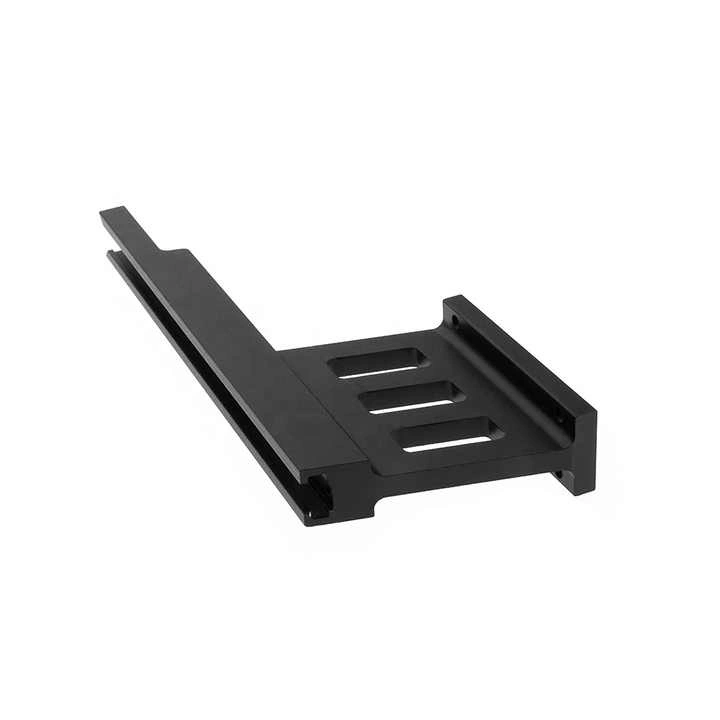
Brass aluminum CNC milling parts

- Fast Delievery
- Quality Assurance
- 24/7 Customer Service
Product Introduction
Premium Brass Aluminum CNC Milling Parts - Precision Manufacturing from Qingdao
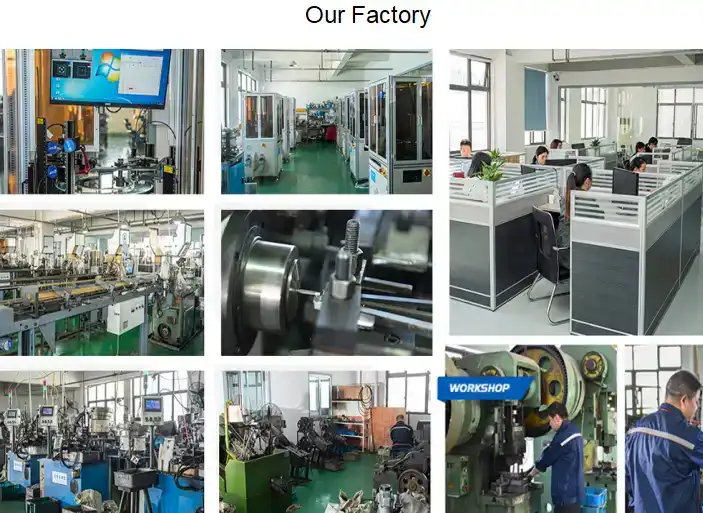
Qingdao RuiRui Machinofacture Co., Ltd., established in 2008, specializes in manufacturing Brass aluminum CNC milling parts with exceptional precision and quality. Found in Qingdao, China, our office works progressed CNC turning, processing, sheet metal machining, and pass on casting forms to convey components for apparatus and gear, electrical machines, and auto parts industries.
With 20+ multi-axis CNC machines, we accomplish resistances as tight as ±0.005mm on both brass combinations (C36000, C26000) and aluminum grades (6061-T6, 7075). Our one-stop benefit incorporates surface medications like cleaning, oxidation, portray, and electroplating. Working 24/7 with three-shift generation, we guarantee fast turnaround: models in 1-2 weeks and mass generation inside 4-7 weeks, supported by ISO 9001:2015 certification.
Technical Specifications
|
Parameter |
Details |
|
Place of Origin |
Qingdao, China |
|
Main Processes |
CNC Milling (3/4/5-axis), CNC Turning, Swiss-type Machining |
|
Material Options |
Brass: C36000, C26000, Lead-Free Eco-Brass; Aluminum: 6061-T6, 7075-T6, 2024 |
|
Tolerance Range |
Standard ±0.01mm, Precision ±0.005mm (Swiss machining) |
|
Surface Treatments |
Anodizing (Type II/III), Polishing (Ra 0.4-1.6μm), Electroplating, Powder Coating |
|
Max Work Envelope |
2,000 x 1,000 x 600 mm |
|
Production Capacity |
24/7 operation, 20+ CNC machines |
|
Quality Certification |
ISO 9001:2015 |
|
Lead Time |
Prototypes: 1-2 weeks; Mass production: 4-7 weeks |
|
MOQ |
No minimum for prototypes, flexible for production runs |
What Makes Our Brass Aluminum CNC Milling Parts Superior
The items from RuiRui combine the best properties of both materials. Brass offers amazing machinability, prevalent electrical conductivity, and characteristic antimicrobial properties. Aluminum gives remarkable strength-to-weight proportions and erosion resistance.
Our factory-direct advantage kills go betweens, lessening your costs by 20-30% compared to dealers. You get coordinate get to to our designing group for design-for-manufacturability (DFM) consultation.
We specialize in complex geometries that stamping or casting cannot accomplish. Undermines, off-axis gaps, and complex inner highlights are finished through our 5-axis concurrent machining capabilities. Each portion highlights burr-free edges and dimensional solidness beneath warm stress.
Your components experience 100% review utilizing CMM hardware, optical comparators, and surface harshness analyzers. We give full documentation counting fabric certifications (MTC), PPAP reports, and dimensional analysis.
Material Determination Direct for Your Application
Choosing between brass and aluminum depends on your particular necessities. Brass grades like C36000 contain lead for upgraded machinability, making them perfect for high-volume generation. For RoHS-compliant applications, we prescribe lead-free eco-brass alternatives.
Aluminum 6061-T6 remains the most flexible alternative for general-purpose machining. It offers amazing weldability and direct quality. For aviation or high-stress applications, 7075-T6 aluminum gives prevalent quality but requires specialized tooling.
Brass machines quicker than aluminum, with superior chip arrangement and diminished instrument wear. This interprets to lower cycle times for complex parts. In any case, brass crude fabric costs ordinarily run 15-25% higher than aluminum.
Our building group makes a difference you adjust fabric costs, machining time, and utilitarian necessities. We give fabric determination direction based on your application's mechanical loads, natural introduction, and budget constraints.
Advanced Fabricating Capabilities
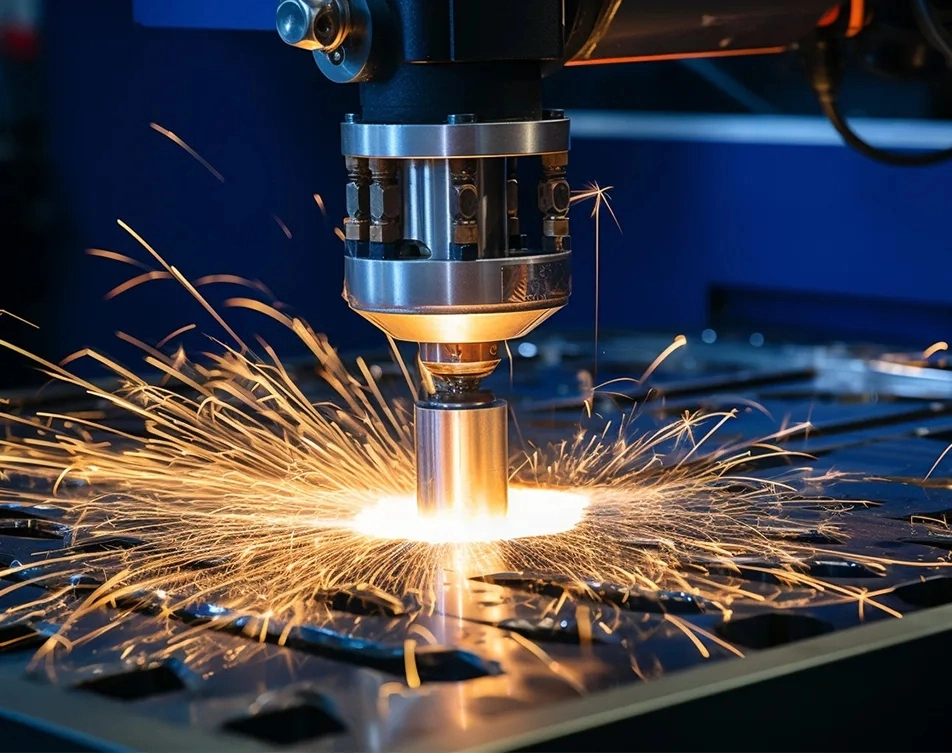
Our 20+ CNC machines incorporate vertical and flat machining centers prepared with 3-axis, 4-axis, and 5-axis arrangements. Swiss-type CNC machines handle long, slim components with length-to-diameter proportions up to 20:1.
Multi-axis turning centers total parts in single setups, dispensing with repositioning mistakes. Live tooling coordinating processing operations amid turning cycles, decreasing add up to generation time.
For thin-walled aluminum components, we utilize specialized low-cutting-force techniques. Vacuum installations and stress-relief warm medications anticipate distortion whereas keeping up ±0.01mm resiliences on dividers as lean as 0.5mm.
High-speed spindles operate at Brass aluminum CNC milling parts 10,000+ RPM for optimal surface finishes. Automated bar feeding systems enable lights-out manufacturing for high-volume orders, maximizing efficiency.
Surface Treatment Options for Enhanced Performance
Surface treatments extend component lifespan and enhance functionality. For aluminum parts exposed to harsh environments, Type II anodizing provides standard corrosion protection. Type III hardcoat anodizing creates an exceptionally durable surface layer.
Brass components benefit from nickel plating or passivation treatments. These processes prevent tarnishing while maintaining electrical conductivity. For decorative applications, we offer polished finishes ranging from Ra 0.4 to 1.6μm.
Powder coating provides color options and additional corrosion resistance. Electroplating with zinc, chrome, or gold meets specific functional requirements.
All surface treatments comply with international standards. We provide coating thickness measurements and adhesion test results with every shipment.
Quality Assurance Process
Quality begins with raw material inspection. Every batch receives material certification verification before entering production. First article inspection (FAI) validates programming and tooling setup.
During production, operators perform in-process checks according to AQL sampling standards. Critical dimensions receive 100% verification using coordinate measuring machines.
Surface roughness testing ensures finish specifications compliance. Optical comparators verify complex profile geometries. All inspection data becomes part of your order documentation.
Final inspection includes visual examination for surface defects, cosmetic issues, and finish quality. Parts receive protective packaging suitable for international shipping.
Industries We Serve
Automotive producers depend on our exactness for gearbox lodgings, brake components, and sensor brackets. Our parts withstand vibration and warm cycling in requesting environments.
Industrial apparatus applications incorporate pump bodies, pressure driven valve components, and custom installations. Dimensional solidness guarantees appropriate get together and long-term reliability.
Electrical and gadgets producers source transport bars, connector lodgings, and warm sinks. Brass and aluminum's amazing conductivity makes them perfect for current-carrying components.
Medical gadget producers appreciate our FDA-compliant generation capabilities. We keep up traceability documentation and back approval requirements.
How to Get Started
Upload your plan records in STEP, IGES, or X_T arrange for free DFM investigation. Our group reacts inside 48 hours with estimating and lead time estimates.
We back adaptable conveyance terms counting EXW, Dandy, and DDP for around the world shipping. Real-time generation overhauls keep you educated all through manufacturing.
With 17+ a long time of OEM/ODM involvement, we handle ventures from model improvement through mass generation. IP assurance through NDAs guarantees your plans stay confidential.
FAQ
Q: How does the fetched vary between machining brass and aluminum parts?
A:Brass crude fabric costs more than aluminum at first. Be that as it may, brass machines essentially quicker with way better chip arrangement, lessening cycle times and device wear. For high-volume generation, diminished machining costs can balanced higher fabric costs, particularly compared to harder aluminum grades like 7075.
Q: What is the best surface wrap up for parts uncovered to open air elements?
A:For aluminum components, Sort II or Sort III hardcoat anodizing avoids oxidation and setting. Brass parts require nickel plating or passivation to anticipate discoloring whereas keeping up conductivity. We prescribe particular medications based on your natural introduction conditions.
Q: Can you hold tight resistances on thin-walled aluminum CNC parts?
A:Yes, through specialized techniques. Aluminum's inclination toward vibration and distortion requires low-cutting-force tooling, stress-relief warm medicines, and custom vacuum installations. We keep up ±0.01mm resiliences on dividers as lean as 0.5mm utilizing these techniques.
Q: Are these parts appropriate for RoHS compliant applications?
A:Standard aluminum (6061/7075) ordinarily complies with RoHS directions. Standard free-machining brass (C36000) contains 2.5-3.7% lead. For RoHS compliance, indicate lead-free eco-brass amalgams utilizing silicon or bismuth instep of lead for machinability.
Q: What decides machining cycle time?
A:Cycle time depends on fabric expulsion rate, instrument alter recurrence, and geometric complexity. Whereas brass and aluminum permit tall axle speeds (10,000+ RPM), complex 5-axis geometries or necessities for predominant surface wraps up require slower wrapping up passes, expanding add up to cycle time.
Q: Do you offer plan help for manufacturability?
A:Absolutely. Our designing group gives free DFM examination with your CAD records. We distinguish potential fabricating challenges and recommend plan alterations to diminish costs whereas keeping up usefulness. This benefit spares time and anticipates exorbitant updates.
Contact Us
Ready to experience Brass aluminum CNC milling parts factory-direct pricing and superior quality? Contact our engineering team today for your free quote and technical consultation.
Send Inquiry