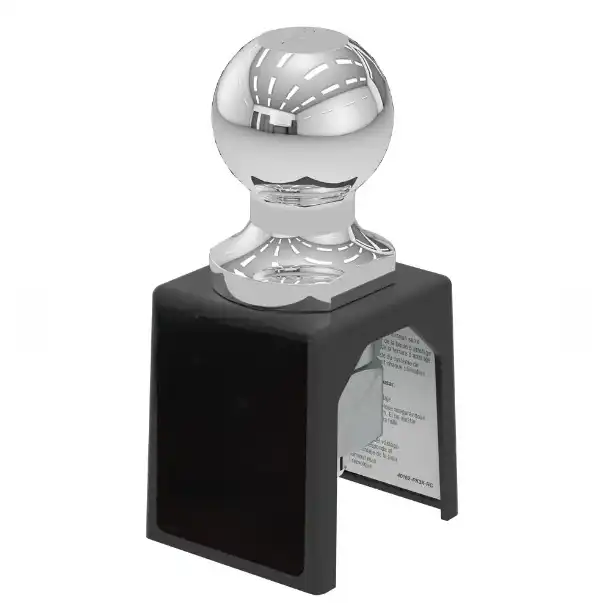
1-7/8" Trailer Balls

- Fast Delievery
- Quality Assurance
- 24/7 Customer Service
Product Introduction
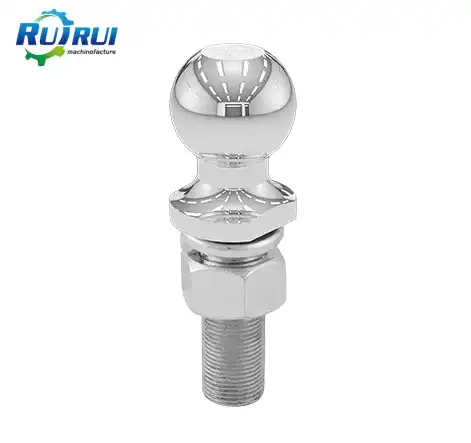
1-7_8_ Trailer Balls: Precision-Engineered for Light-Duty Towing Safety
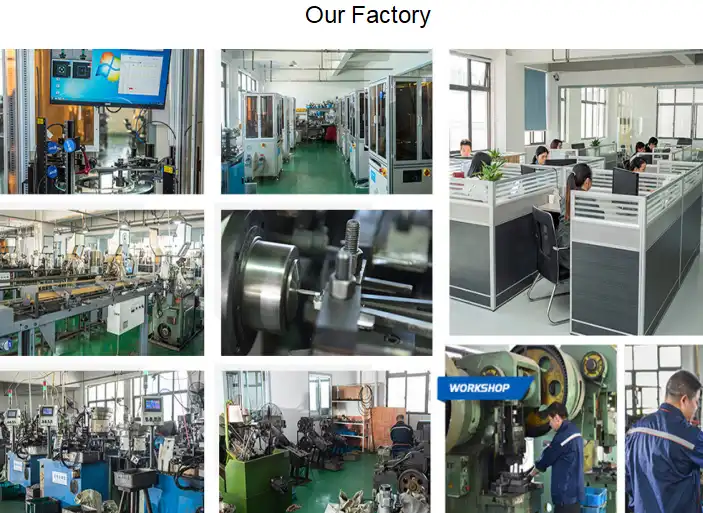
1-7_8_ Trailer Balls manufactured by Qingdao RuiRui Machinofacture Co., Ltd. deliver enterprise-grade reliability for light-duty trailer connections. With 17+ years of OEM manufacturing expertise and ISO 9001:2015 certification, our trailer balls undergo rigorous dimensional accuracy verification within ±0.005mm tolerances using advanced CNC turning technology. Each unit is batch-tested to withstand rated loads of 2,000 lbs with a 1.5x safety factor, ensuring zero false latching risks. Our 20+ CNC machines with live tooling capabilities empower chrome-plated and stainless steel alternatives, assembly SAE J684 compliance guidelines. Whether you're towing utility trailers, tear campers, or angling pontoon setups, our factory-direct estimating conveys 20-30% fetched reserve funds without compromising basic integrity.
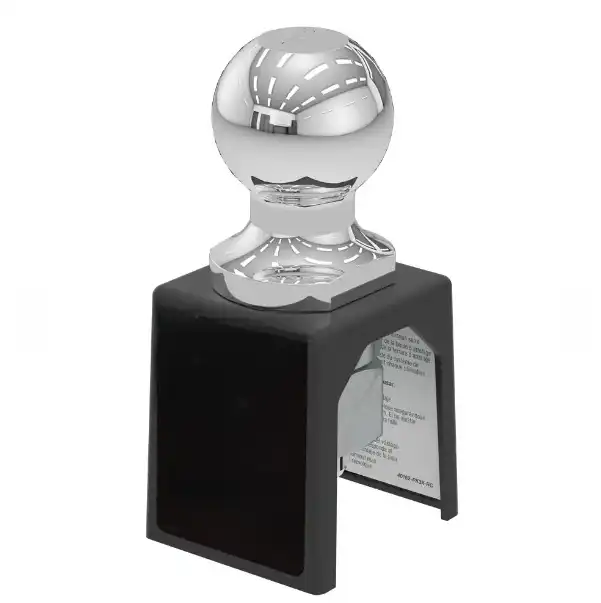
Why Choose Our 1-7_8_ Trailer Balls
Light-duty towing requests components that adjust reasonableness with uncompromising security. Our trailer balls are particularly planned for cars, minivans, and hybrid vehicles taking care of little trailers.
Key Applications Include:
Utility trailers for end of the week ventures require secure associations that withstand sudden stops. Tear campers require corrosion-resistant balls for multi-season enterprises. Angling vessel trailers depend on chrome hardness to stand up to saltwater exposure.
Every ball passes to begin with article review (FAI) some time recently clump generation starts. Our multi-axis CNC turning centers machine the round surface in a single setup, killing arrangement blunders common in multi-operation processes.
This single-setup approach decreases surface defects by 40% compared to conventional strategies. The result is a smoother coupler interface that minimizes wear over thousands of coupling cycles.
Technical Specifications
|
Parameter |
Specification |
|
Ball Diameter |
1.875 inches (47.6mm) |
|
Shank Options |
3/4" or 1" diameter |
|
Rated Capacity |
2,000 lbs GTW |
|
Thread Type |
UNF Class 2A |
|
Surface Finish |
Chrome-plated or Stainless Steel |
|
Tolerance |
±0.005mm dimensional accuracy |
|
Compliance |
SAE J684 certified |
|
Coating Test |
ASTM B117 salt fog 500+ hours |
|
Hardness |
55-60 HRC (chrome surface) |
Material Selection and Durability
Chrome-plated variants use heat-treated alloy steel cores for superior surface hardness. This makes them ideal for frequent dry-utility towing where friction resistance matters most.
Stainless steel models offer through-and-through erosion security. Marine situations with consistent saltwater introduction advantage from this fabric choice. Not at all like chrome plating that secures as it were the surface layer, stainless steel keeps up basic keenness indeed when scratched.
Corrosion Resistance Testing:
Our ASTM B117 salt haze chamber tests reenact 20+ a long time of coastal introduction. Chrome wraps up appear zero rankling or delamination after 500 hours. This avoids hydrogen embrittlement that debilitates load-bearing capacity over time.
Stainless steel choices pass 1,000-hour tests with no setting or discoloration. Your trailer association remains dependable whether you're propelling vessels in Florida or pulling gear in leave climates.
Installation Requirements
Proper torque application prevents dangerous loosening during transit. The 3/4-inch shank requires approximately 160 ft-lbs of torque. A 1-inch shank needs around 250 ft-lbs to achieve optimal thread engagement.
Critical Installation Steps:
Always use lock washers to counteract road vibration effects. Our wrench flat design allows you to hold the ball steady while tightening the nut underneath. This simplifies installation for solo operators without requiring a second person.
Never attempt to use a 2-inch coupler with 1-7_8_ Trailer Balls. This size mismatch creates excessive play, leading to false latching. The trailer may appear secured but will detach during high-impact shocks like pothole strikes or emergency braking.
Thread integrity checks ensure class 2A fit standards are met. This guarantees nut retention under heavy vibration conditions on rough roads.
Quality Control Process
Our one-stop production facility controls every stage from raw material inspection to finished product testing. This eliminates quality variations common when outsourcing to multiple suppliers.
Inspection Protocol Includes:
Dimensional verification using Go/No-Go gauges confirms the spherical diameter stays within tolerance. Batch tensile and shear strength testing validates that stems withstand rated GTW loads. Coating adhesion tests prevent premature finish failure that exposes base metal to corrosion.
Each production batch receives material certification (MTC) documentation. This traceability ensures you can verify alloy composition and heat treatment records for compliance audits.
Our CMM equipment measures 50+ points across the ball surface. This catches micro-deformations invisible to visual inspection but critical for coupler fit.
Maintenance and Replacement Guidelines
Regular inspection extends service life and prevents roadside failures. Check for visible deformation, flat spots from friction wear, or pitting from rust development.
When to Replace Your Ball:
If chrome plating shows flaking, the underlying steel will rust rapidly. Use calipers to measure the diameter—readings below 1.870 inches indicate excessive wear. SAE J684 compliance requires replacement at this threshold.
Stainless steel balls with deep scratches may still function safely. However, if the scratches create sharp edges that damage your coupler, replacement prevents costly repairs to the trailer tongue.
After 500 towing cycles or 5 a long time of benefit, whichever comes to begin with, proficient assessment is prescribed. This catches early-stage metal weakness some time recently disastrous disappointment occurs.
FAQ
Q: Can I utilize a 2-inch coupler on the product?
A:Absolutely not. This is a basic security infringement known as wrong hooking. The estimate contrast makes intemperate play, driving to high-impact stuns and a tall likelihood of the trailer segregating whereas in motion.
Q: What is the redress torque determination for introducing these balls?
A:Torque depends on the shank breadth. For the most part, a 3/4-inch shank requires generally 160 ft-lbs, whereas a 1-inch shank requires around 250 ft-lbs. Continuously take after the manufacturer's particular rating and utilize a bolt washer to avoid releasing from street vibration.
Q: Why do a few balls have level spots on the top?
A:This is a torque level plan highlight that permits you to hold the ball consistent with a torque whereas fixing the nut underneath. It streamlines establishment and evacuation for single-person setups.
Q: How do I test if my ball is worn out?
A:Inspect for unmistakable distortion, level spots caused by grinding, or setting from rust. If the chrome is chipping or the distance across measures altogether less than 1.875 inches utilizing calipers, prompt substitution is required to keep up SAE J684 compliance.
Q: Are stainless steel balls way better than chrome-plated ones?
A:For marine situations, yes. Stainless steel offers through-and-through erosion resistance. Chrome is a surface treatment—once scratched, the basic steel will rust. In any case, chrome balls are frequently heat-treated for higher surface hardness, making them superior for visit, dry utility towing.
Contact Us
Ready to secure your trailer connections with 1-7_8_ Trailer Balls factory-direct pricing? Our engineering team provides free DFM analysis and quotes within 48 hours. Email us at kshdhardware@qdkshd.comtoday .
Send Inquiry