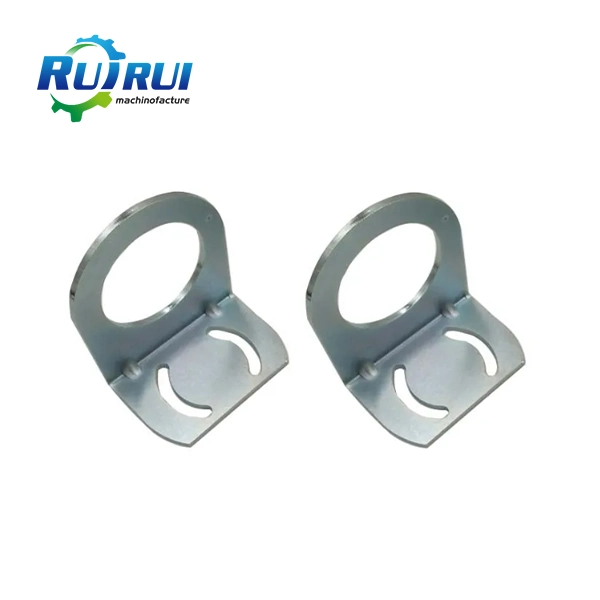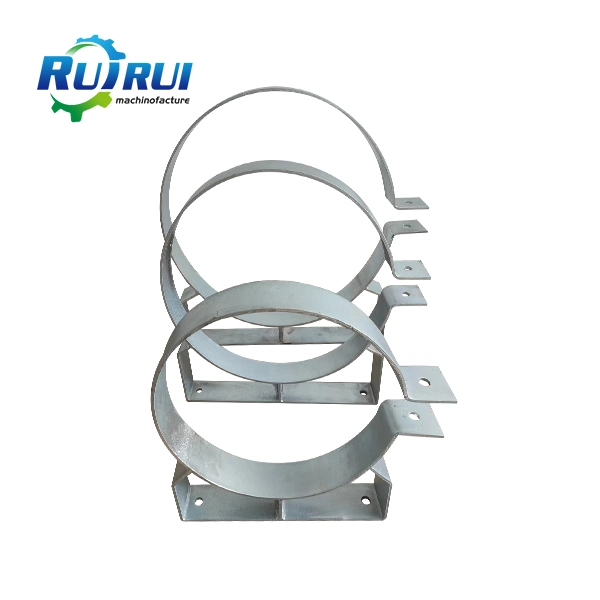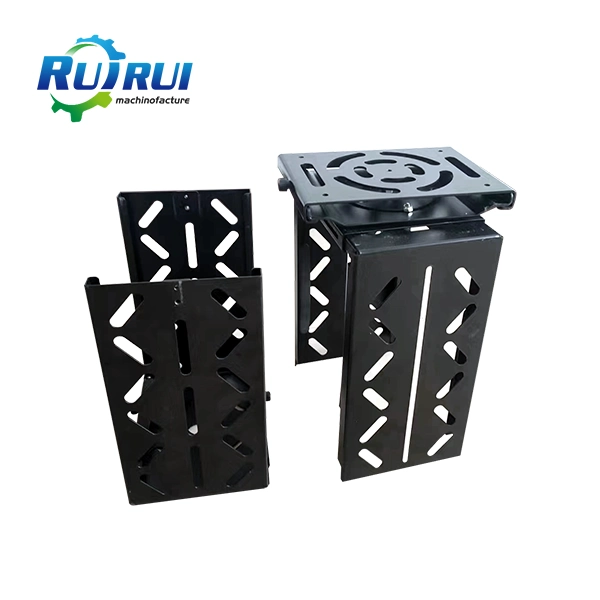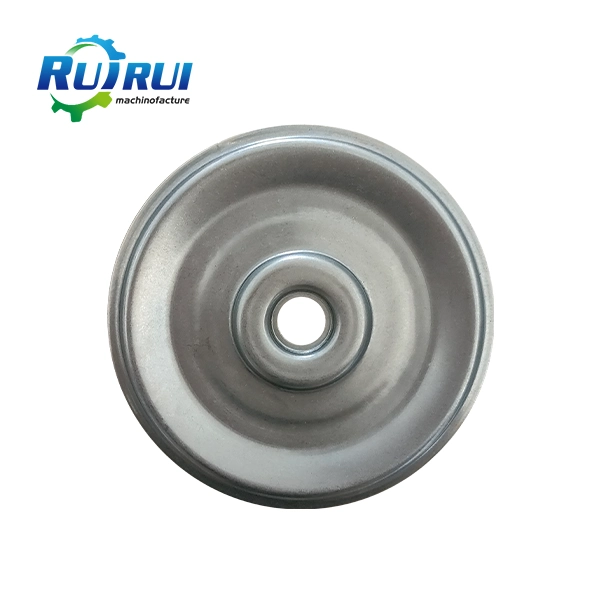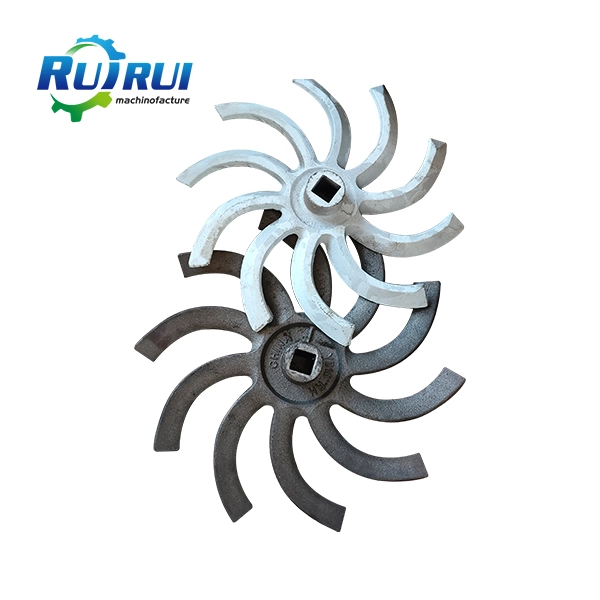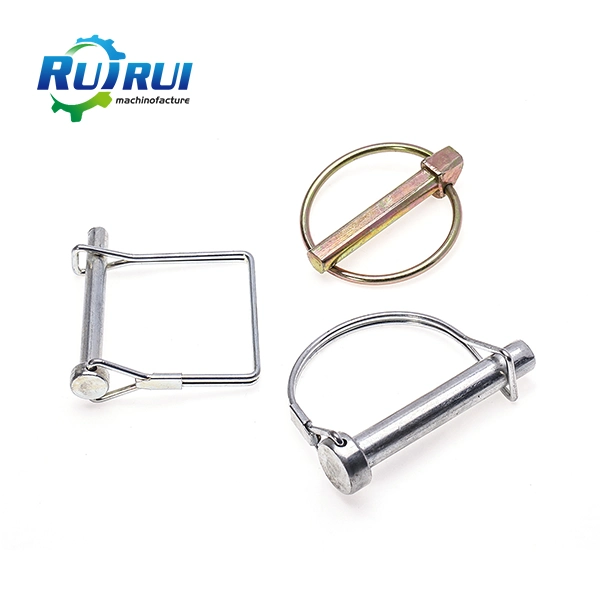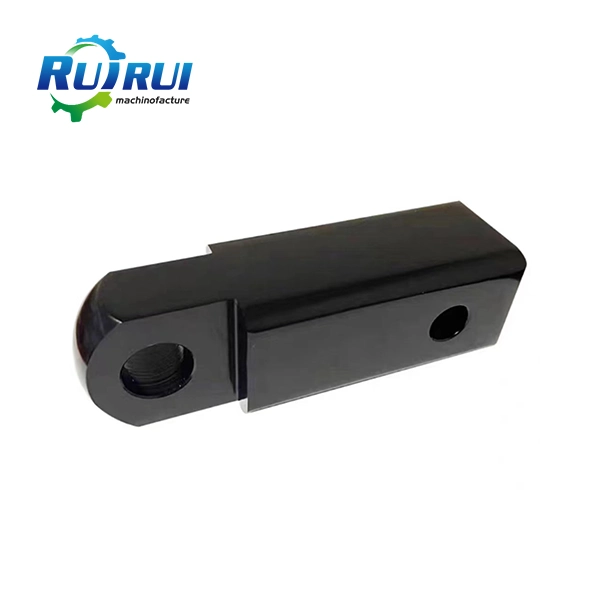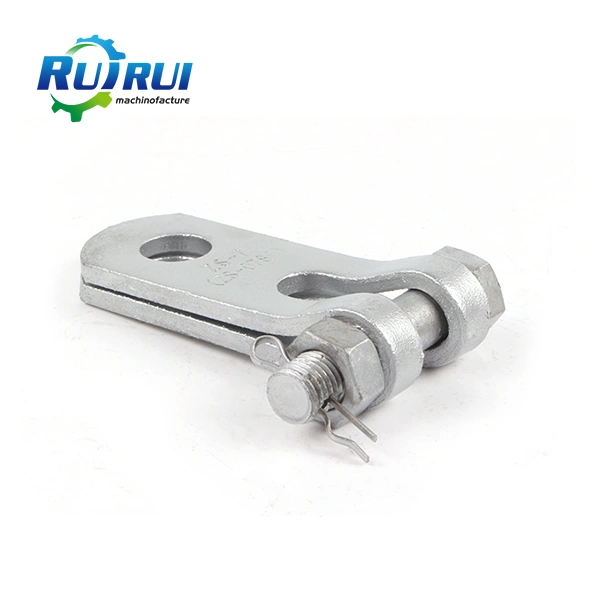
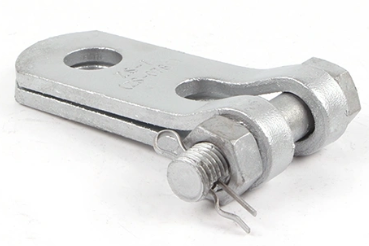
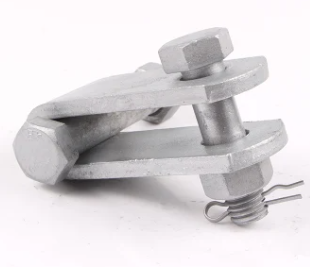
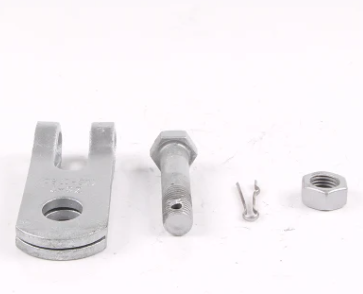
Link Plate

- Fast Delievery
- Quality Assurance
- 24/7 Customer Service
Product Introduction
Link Plate: Precision-Engineered Connection Solutions for Industrial Applications
Qingdao RuiRui Machinofacture Co., Ltd specializes in manufacturing industrial-grade Link Plate components conforming to DIN and BS 3288 standards. Our items are precision-crafted from medium carbon steel with M16 association details, conveying uncommon load-bearing execution for heavy-duty mechanical congregations. With 17+ a long time of OEM/ODM skill and ISO 9001:2015 certification, we keep up dimensional resiliences of ±0.005mm through progressed CNC machining forms. Each group experiences thorough to begin with article assessment and fabric certification, guaranteeing reliable quality for requesting mechanical applications. Our factory-direct fabricating dispenses with brokers costs whereas keeping up strict adherence to HS Code 73269090 classification measures for consistent worldwide send out.
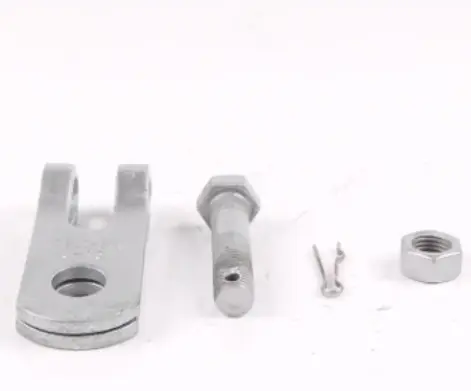
Technical Specifications of Link Plate
Understanding the precise parameters helps you select the right component for your application needs. Our product specifications meet international industrial standards:
Parameter | Specification |
Standard Compliance | DIN, BS 3288 |
Base Material | Medium Carbon Steel |
Connection Type | M16 Threading |
Heat Treatment | Quenching & Tempering Available |
Surface Finish | Shot Peening Optional |
Tensile Strength | 600-800 MPa (Material Dependent) |
Dimensional Tolerance | ±0.01mm (Standard), ±0.005mm (Precision) |
HS Classification | 73269090 |
Customization | OEM/ODM Supported |
What Makes Our Link Plate Superior
Our manufacturing process combines traditional metallurgical expertise with modern precision engineering. We control every production stage from raw material procurement to final inspection.
Material Selection & Processing
We source certified medium carbon steel with controlled carbon content for optimal strength-to-ductility balance. This material choice prevents brittle failure under shock loads while maintaining adequate tensile strength. Our heat treatment protocols follow industry-standard tempering curves to achieve uniform hardness distribution.
Precision Machining Capabilities
Using 20+ CNC machines including 3/4/5-axis centers, we manufacture complex geometries with repeatable accuracy. Our Swiss-type lathes handle intricate M16 threading with zero deviation. Multi-axis turning capabilities allow complete part finishing in single setups, reducing tolerance stack-up errors.
Quality Control Systems
Every production batch undergoes CMM measurement verification and surface roughness testing. We provide full material traceability with MTC certificates and dimensional reports. Our inspection protocols follow AQL sampling standards to catch defects before shipping.
Application Scenarios
Link Plate components serve critical functions across multiple industrial sectors where connection reliability is non-negotiable.
Heavy Machinery & Conveying Systems
In mining conveyors and material handling equipment, our straight-edged design provides increased mass for superior shock absorption. The enhanced sliding surface area reduces wear during continuous operation. Clients report 30% longer service life compared to waisted alternatives in high-impact environments.
Automotive & Transportation
Automotive assembly lines use our components in robotic linkage systems where precise articulation is essential. The M16 connection standard ensures compatibility with existing tooling. Our shot peening option extends fatigue life under repetitive cyclic loading.
Industrial Rigging Applications
When connecting shackle pins in multi-leg lifting arrangements, proper load distribution prevents premature failure. Our DIN-compliant products meet the exact specifications riggers require for safe load-rated assemblies. Engineers choose our components for certified lifting operations.
.webp "werhq45yherhyq54y(1).png")
Design Considerations for Buyers
Selecting the appropriate product requires understanding how design features impact performance in your specific application.
Plate Geometry Selection
Waisted (figure-8) designs reduce overall assembly weight, ideal for high-speed transmission chains. Straight-edged configurations offer greater material volume at stress concentration points, better suited for conveying applications with impact loading. Your choice depends on whether speed or shock resistance takes priority.
Surface Treatment Options
Standard machined surfaces work for controlled environments. Shot peening induces compressive surface stress that dramatically improves fatigue resistance—essential for outdoor or corrosive settings. We recommend discussing your operating conditions with our engineering team for optimal surface specification.
Connection Interface Engineering
Proper interference fits between pins and plates prevent micro-movements that initiate fatigue cracks. Our manufacturing tolerances ensure consistent press-fits without over-compression that causes stiff joints. This balance maintains articulation while maximizing structural rigidity.
Manufacturing Advantages
Working directly with our factory delivers tangible benefits compared to trading through intermediaries.
Cost Efficiency
Factory-direct pricing eliminates distributor markups, typically saving 20-30% on comparable components. We optimize material utilization through nested cutting patterns and recycling programs. Volume discounts apply without minimum order restrictions for prototype development.
Customization Flexibility
Our in-house R&D team provides DFM analysis to optimize your designs for manufacturability. Whether you need modified hole patterns, alternative materials, or special coatings, we handle engineering adjustments without outsourcing delays. NDA protection safeguards your intellectual property throughout the development process.
Production Speed
Prototype samples ship within 1-2 weeks, with mass production completing in 4-7 weeks. Our 24/7 three-shift operation maintains consistent output during peak demand periods. Real-time production updates keep you informed throughout the manufacturing cycle.
Packaging & Delivery
We protect your components throughout international shipping with industry-appropriate packaging solutions.
Standard packaging includes rust-preventive oil coating, individual poly bag wrapping, and reinforced cardboard cartons with foam cushioning. For large orders, we arrange pallet bundling with stretch wrapping and moisture barrier protection.
Our proximity to Qingdao Port enables efficient container loading with flexible terms (EXW, FOB, DDP). We coordinate with freight forwarders familiar with HS Code 73269090 documentation requirements for smooth customs clearance.
Typical transit times range from 15-25 days to major ports worldwide. Rush orders qualify for air freight options with delivery in 5-7 days. Full shipment tracking keeps you informed from factory gate to your receiving dock.
.webp "qrhqetrhwrthjrwj(1).png")
FAQ
Q: What is the difference between waisted (figure-8) and straight-edged product designs?
A: Waisted plates reduce weight and are standard for transmission chains where minimizing mass improves efficiency. Straight-edged plates provide greater material volume and sliding surface area, making them superior for heavy conveying applications and environments with shock loads. The choice depends on whether your priority is weight reduction or impact resistance.
Q: Why do the products fail at the aperture (hole)?
A: Aperture failures typically result from fatigue cracks initiating at stress concentration points. Common causes include insufficient interference fit between pin and plate, poor hole surface finish that creates crack initiation sites, or lack of shot peening treatment. Overloading can cause plastic deformation (hole elongation). Proper manufacturing tolerances and surface treatments prevent most aperture failures.
Q: Can stainless steel the products handle the same load as carbon steel versions?
A: Generally no. 300-series stainless steel possesses approximately 1/3 to 1/2 the tensile strength of heat-treated carbon steel. For high-load applications in corrosive environments, we recommend precipitation-hardening steels like 17-4PH or coated carbon steel as superior alternatives that maintain strength while resisting corrosion.
Q: What causes 'tight joints' or stiff links involving the product?
A: Stiff joints usually result from corrosion products (rust) binding mating surfaces, or improper press-fit assembly where plates compress too tightly against inner components. This eliminates the clearance necessary for smooth articulation. Proper assembly procedures and protective coatings in corrosive environments prevent this issue.
Q: How does shot peening affect the lifespan of the product?
A: Shot peening induces residual compressive stress on the plate surface. Since fatigue crack propagation requires tensile stress, this compressive layer effectively raises the fatigue threshold. Components subjected to shot peening typically demonstrate 40-60% longer service life under dynamic loading conditions compared to untreated equivalents.
Contact Us
Ready to source reliable Link Plate components for your project? Our engineering team provides technical consultation and competitive quotations within 48 hours. Email us to discuss your specific requirements today.
Send Inquiry