
Why Coupler Locks are Essential for Commercial Fleet
Every fleet manager has to deal with the same problem: keeping trailers and other property safe from theft and illegal use. The answer lies in a special kind of security gadget that is now required for all business activities. A coupler lock is a strong physical barrier that keeps trailer hitches from joining to tow cars that aren't supposed to be there. This eliminates the risk of equipment going missing from job sites, parking lots, or storage yards. In addition to keeping things from getting stolen, these devices have real practical benefits, such as lower insurance rates, less downtime from equipment recovery efforts, and better accountability across distributed logistics networks.
What is a Coupler Lock and How Does It Enhance Fleet Security?
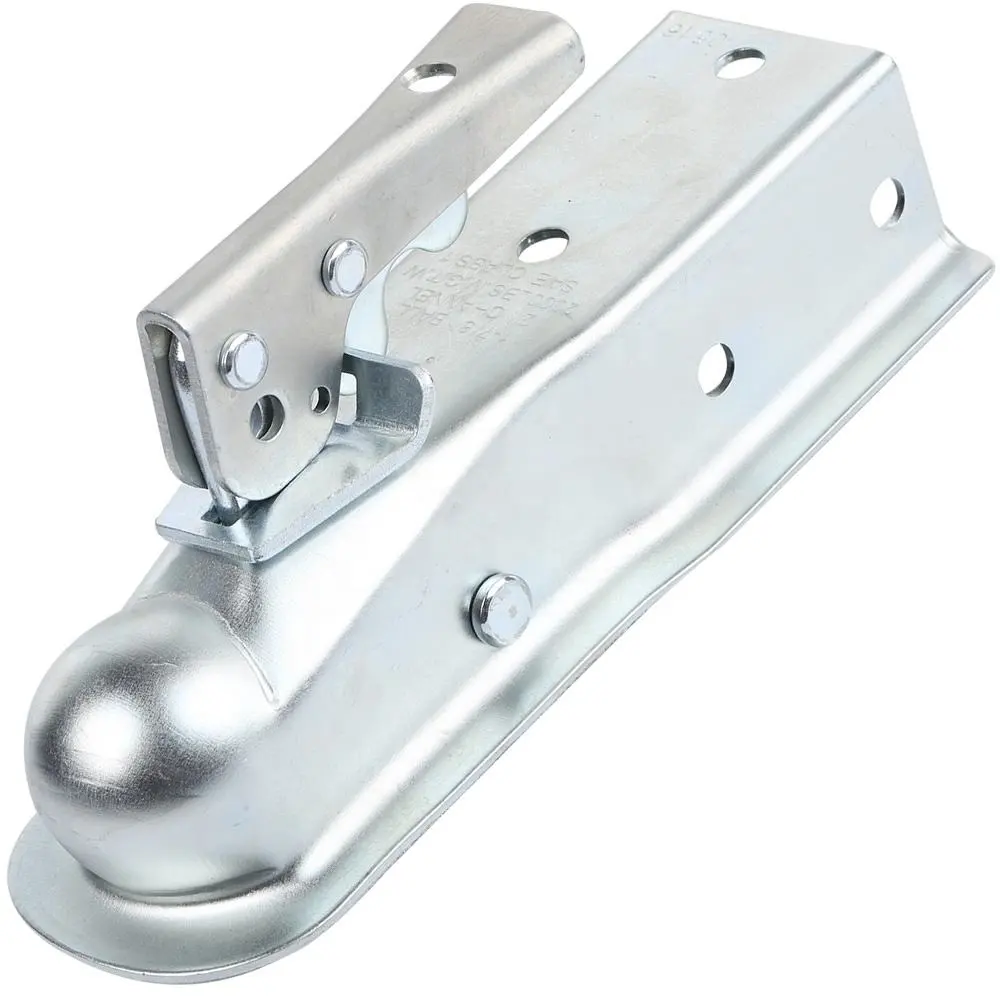
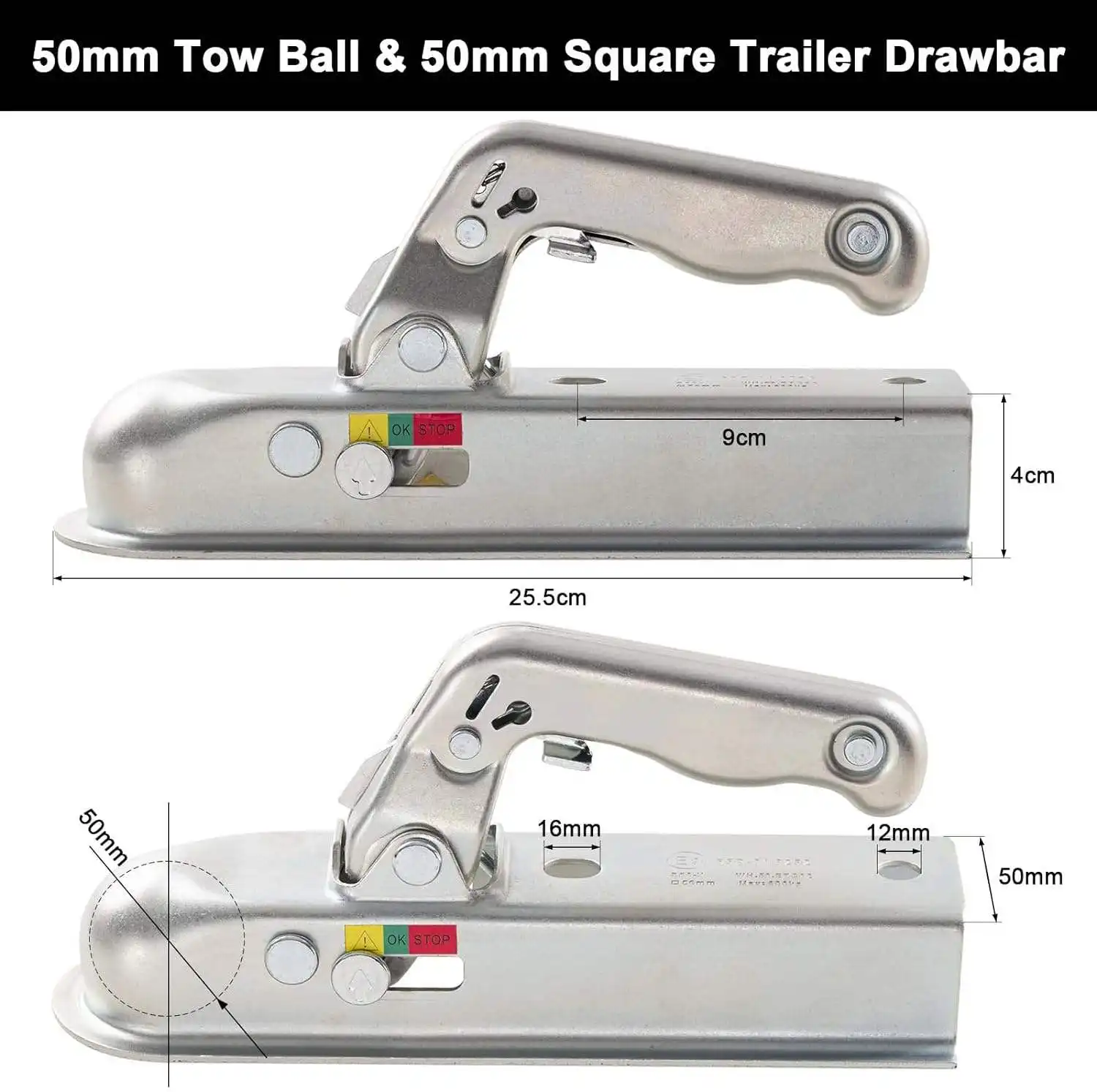
To fully understand how trailer security works, you must first understand how tow lines work. A trailer ball coupler is attached to the tongue of the trailer and engages the ball with a latch mechanism. It is the hole on the trailer side that locks onto the hitch ball to make the pulling connection. Modern trailer ball couplers are made from high-quality forged alloy steel and come in zinc-plated or black powder coat finishes. They can fit balls with diameters ranging from 1-7/8" to 2-5/16", and they have quick-release lever or trigger latch systems that can hold up to 20,000 lbs.
The Fundamental Purpose of Coupler Protection
The most realistic way to protect your trailer is to lock down this weak link point. If you don't protect your trailer, anyone with a suitable hitch ball can connect it and drive off in minutes. The coupler lock goes directly over or into this coupling device, making it physically impossible to get to and stopping the trailer from moving, even if someone has the keys to any other security features.
Operating Mechanisms: Keyed vs. Combination Systems
The business market is mostly made up of two main locking systems. Keyed systems offer standard key-based security with the added benefit of master key functionality for big fleets. This means that maintenance supervisors can get into multiple trailers without having to carry around dozens of separate keys. Combination locks get rid of all key management issues, but they need careful code management rules to keep employees from sharing codes without permission. Both systems are made of hardened steel and have anti-pick and anti-drill features that are meant to stop people from breaking in, which is common in industrial settings.
Tangible Benefits for Logistics Operations
Implementing complete coupler security has a financial effect that goes beyond preventing theft. Insurance companies know that these devices lower risk, so they often offer price savings on business fleet plans running from 5% to 15%. When trucks stay where their owners expect them to, there is a lot less downtime for equipment because thieves don't have to pay for expensive investigations and recovery processes. Physical security measures that work with GPS monitoring systems make it easier to keep track of assets. This is because they create stacked defenses that stop both random and planned theft.
Types of Coupler Locks: Choosing the Right Security Solution for Your Fleet
Because business towing is used for so many different things, it needs a wide range of security options. When choosing the right safety for their operations, fleet procurement managers have to look at a lot of different specs, such as the type of material used and how well it stands up to the elements.
Keyed Lock Systems for Centralized Fleet Management
Keyed coupler locks are very useful for businesses that are in charge of dozens or hundreds of trucks in different places. With master key structures, fleet managers can keep control access while giving individual keys to drivers or routes. Modern keyed systems have tube cylinders that make them hard to pick and weather-sealed key ports that keep working even when they're exposed to salt on the road, mud, and high temperatures. The best ones have lock cores that can be replaced. This way, security can be improved without having to replace whole units when staff changes or keys are lost.
Heavy-Duty Models for High-Value Equipment
Companies that haul construction tools and move gear need security that matches the value of their assets. Heavy-duty coupler locks made of case-hardened steel alloys and chrome-moly construction can't be cut by handheld angle grinders or bolt cutters. Most of the time, these units have locking pins with widths of 5/8" or more and reinforced bodies that are thicker than 3/8". When guarding trucks with tens of thousands of dollars worth of goods, the extra cost of military-grade security hardware is worth it because it stops theft and meets insurance requirements.
Corrosion-Resistant Designs for Marine and Coastal Operations
Securing a boat trailer comes with its own set of problems. Standard steel parts quickly break down when they are submerged in saltwater during launch and recovery operations and are also exposed to salt air all the time. coupler lock Marine-grade coupler locks are made of stainless steel and have waterproof gasket systems and protected bearing surfaces. Electroless nickel plating and ceramic-reinforced powder coating are two specialized coats that make things last longer in these harsh conditions. Fleet workers who are in charge of boat transport services, marina equipment, or coastal building equipment need these specific designs to keep security working well in the long run.
Installation and Usage Guide: Ensuring Maximum Security and Longevity
Whether your security investment protects you or just gives you a false sense of security depends on how well it was installed. Understanding the right way to fix things and do care will make them work better and last longer.
Step-by-Step Installation Process
First, choose a coupler lock that fits the size of the ball coupler on your trailer. Standard sizes include 1-7/8", 2", and 2-5/16" fitments. Thoroughly clean the coupler mechanism, getting rid of any dirt, old grease, or corrosion that might be blocking the proper seating. Place the lock body over the coupler according to the manufacturer's instructions—some models insert through the coupler opening, while others clamp externally around the housing. Fully engage the locking mechanism, making sure there are no gaps between the lock body and coupler housing where pry bars could get in. Test the installation by trying to open the coupler latch to make sure there is no mechanical blocking left.
Common Installation Pitfalls to Avoid
The most common installation mistake is choosing the wrong size. A lock that is a little too big can wobble and give thieves leverage, while a lock that is too small won't engage properly and could fall off during transport. If you don't clean the mounting surfaces before installation, you'll trap debris that speeds up wear and corrosion. Tightening the adjustment bolts too much on models with compression fittings can crack the housing components, especially when it's cold outside and the metal contracts. Always make sure that the locking pins fully engage their receiving holes—partially engaging them leaves them open to impact-based removal attempts.
Maintenance Schedules for Maximum Reliability
Security hardware in commercial fleets is subjected to harsh conditions that wear it down over time. Lock mechanisms should be checked every three months to make sure they work smoothly without binding, key ports stay clear of debris, and protective coatings don't show any signs of breakthrough corrosion. For moving parts and lock cylinders, use dry graphite lubricant instead of petroleum-based lubricants, which attract dust and clog up mechanisms. Any unit showing structural cracks, severe corrosion, or a loss of locking action should be replaced right away. Keeping detailed service records is important for warranty claims and for insurance purposes.
Advanced Security Features Worth Prioritizing
Modern coupler locks have advanced security features that go beyond simple locking. For example, anti-drill ball bearings inside lock face plates rotate freely when contacted by drill bits, stopping access to internal mechanisms. Shrouded shackle designs hide surfaces that cutting tools can grab. Tamper-evident seals show when security is breached, alerting managers to security incidents even if attacks are unsuccessful. Waterproof construction with sealed bearing surfaces keeps locks working after being washed with pressure, exposed to road spray, and exposed to the extreme weather that is common in commercial settings.
Comparative Insights: Coupler Locks vs Other Security Solutions
When planning the security of a fleet, it's important to know how different types of protection work together or against each other. Threat models, use cases, and the total cost of ownership can help you choose the best security designs, coupler lock being a critical component that physically ties these considerations together—ensuring that no single layer of protection can be bypassed without breaking the coordinated chain of defenses.
Security Effectiveness Across Different Threat Scenarios
Opportunistic thieves look for easy targets when parking overnight or storing something temporarily on a job site. coupler locks are great at stopping these thieves because they are visible to potential thieves, who know how long and what tools they'll need to break them. They usually move on to unprotected targets instead. GPS tracking systems, on the other hand, allow recovery after theft but don't stop theft itself or avoid the costs of downtime and investigations. Wheel locks and hitch locks cover different weak spots in the security chain. For example, a coupler lock stops towing, wheel locks immobilize the trailer even if the coupler is broken, and GPS tracking allows recovery as a last resort.
Durability Assessment: Heavy-Duty vs Standard Construction
Standard coupler locks made from basic hardened steel work well for general logistics tasks where trailers carry moderately valuable cargo in areas with low crime. These units usually cost between $30 and $60 per unit and offer good protection against casual theft attempts. Heavy-duty versions made with case-hardened alloy steel, reinforced mounting points, and premium locking cylinders cost $80 to $150 but offer much better protection against determined attacks using power tools.
When it comes to transporting high-value equipment, hauling construction equipment, or working in areas with high crime, the cost-benefit analysis always justifies the extra investment. Industry data from 2026 insurance claims shows that heavy-duty locks reduce successful theft incidents by an extra 40% compared to standard models.
Warranty Considerations and Bulk Purchase Economics
Manufacturer warranties show that they believe a product will last and protect large investments in fleets. Lifetime mechanical warranties cover defects and operational failures and are better in the long run than limited 1- to 3-year coverage, especially for fleets expecting 10+ years of service life. Commercial buyers can usually get 15–25% off orders of 50 or more units, and even more savings on orders of 100 or more units.
Buyers in large quantities should negotiate service agreements that cover warranty administration, faster replacement processing, and access to technical support to reduce administrative costs. When choosing a supplier, they should focus on both unit cost and quality of post-purchase support, since quick technical support prevents operational disruptions worth much more than small product savings.
Procurement Guide: How to Buy Coupler Locks for Your Commercial Fleet
Strategic choices about where to get supplies affect whether your security program is worth it or causes problems with administration and operations. People who work in procurement need to look at sellers in more ways than just price per unit.
Identifying Reliable Commercial-Grade Suppliers
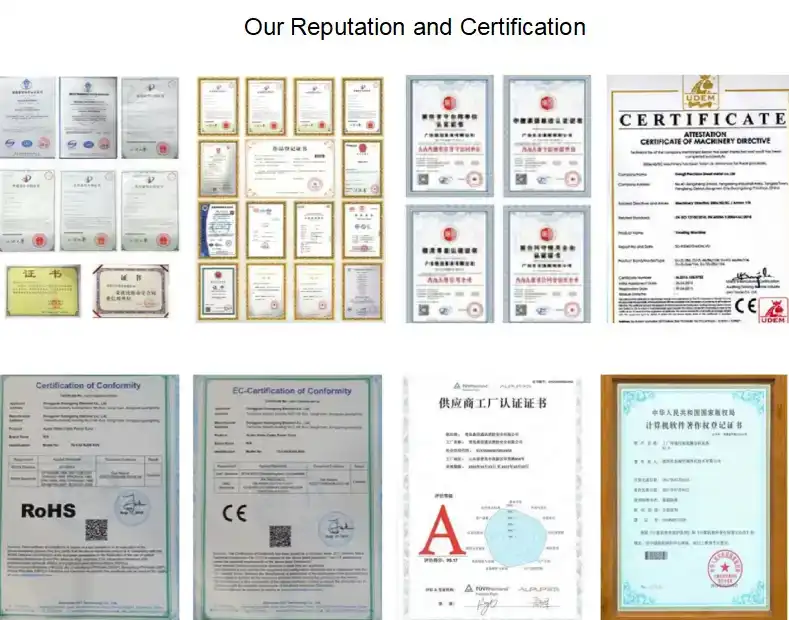
Reputable manufacturers that sell to businesses keep certifications that show they follow quality management system guidelines, and a coupler lock—as a physical product or design element—must itself be produced under these certified processes to ensure reliability. For example, ISO 9001 certification confirms structured quality control processes, ISO 14001 certification shows environmental responsibility, and ISO/TS16949 certification specifically addresses manufacturing standards for automotive and transportation parts.
Suppliers with documented quality assurance programs that include checking for accuracy in measurements, tensile strength testing, and coating adhesion evaluation deliver consistent product performance across production runs. To make sure that marketing claims are accurate, ask for engineering specifications that list material compositions, heat treatment processes, and testing protocols.
Bulk Purchasing Advantages and Volume Pricing
By buying in bulk from manufacturers instead of retail distributors, commercial fleet operators who manage 20 or more trailers can save a lot of money. This is because they can get factory-direct prices and customize options like keyed-alike configurations for whole fleets, custom engraving for asset identification, and specialized finishes that match corporate standards. When negotiating terms, you should talk about payment schedules, delivery timelines, and minimum order quantities that work with your replacement cycle planning. Many suppliers offer consignment inventory programs for large fleets, where they leave stock at your facilities and don't get paid until the coupler locks are actually installed.
OEM Customization for Specialized Applications
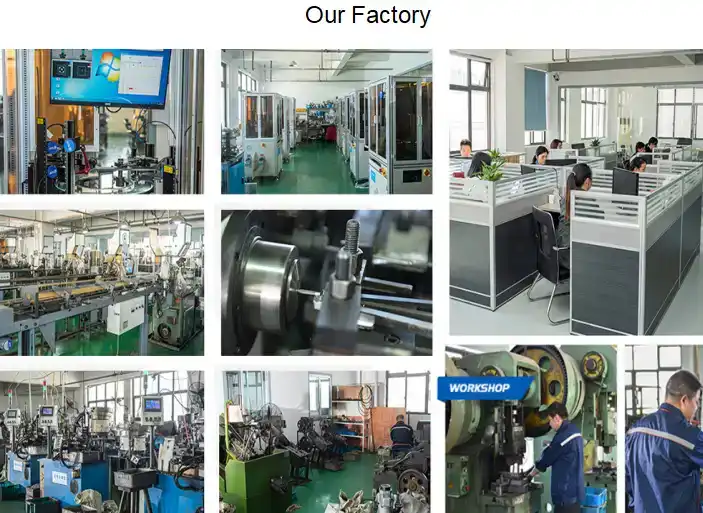
Standard off-the-shelf products cover 80% of commercial towing security needs, but sometimes specialized equipment needs custom solutions. Manufacturers that offer OEM customization services can change dimensions, adjust locking mechanisms, or create completely new designs that meet specific operational needs. RUIRUI, as a manufacturer and trading company, specializes in custom metal fabrication combining stamping, CNC machining, laser cutting, and welding with secondary processes such as powder coating, plating, and anodizing.
This integrated capability proves useful when standard products don't work with proprietary trailer designs or when coupler locks need to connect to larger access control systems. Custom development usually requires minimum order quantities that justify tooling investments, which makes this method good for large fleets with standard equipment or distributors serving specific market segments.
Building Long-Term Supplier Partnerships
Stable relationships with suppliers that go beyond just making purchases are important for fleet security management. When looking for partners, you should see how good their technical support is, how quickly they respond to quality issues, and how willing they are to work with you on continuous improvement projects. Suppliers that keep enough inventory on hand also keep operations running smoothly when emergency replacements are needed.
Engineering support during product selection makes sure that security needs and product specifications are perfectly matched, which avoids costly mistakes and returns. After-sales service like warranty administration, installation training, and maintenance advice adds measurable value throughout a product's lifecycle. When figuring out the total cost of ownership, you should include these "soft benefits" along with unit price when comparing options.
Conclusion
For commercial fleet security, you need practical, reliable solutions that can handle the day-to-day operations of the business while also preventing theft. coupler lock is a proven technology that combines physical deterrence with operational flexibility, making it suitable for a wide range of transportation and logistics applications. To choose the right security hardware, you need to know how construction quality, environmental resistance, and the specific operational situations your fleet faces affect each other—and a well-designed coupler lock directly ties these factors together, as its material durability, weather sealing, and application-specific design must all be balanced to match your fleet's unique demands.
Following the right installation and maintenance procedures will ensure that your investment continues to deliver value rather than false confidence. Strategic procurement approaches that focus on supplier reliability, customization options, and the possibility of a long-term partnership lead to better results than making decisions based only on price.
FAQ
What size coupler lock do I need for my commercial trailers?
The coupler lock size should match the diameter of the ball coupler on your trailer. To find out what size ball your coupler accepts, measure it. Common commercial sizes are 2" and 2-5/16". Most manufacturers clearly label compatible sizes on product packaging. If you're in charge of a fleet with a mix of different coupler sizes, you should look into adjustable universal models or keep separate stock for each size category to make sure everything fits right.
How do coupler locks compare to GPS tracking for theft prevention?
In complete security plans, both technologies work together to keep things safe. Coupler locks stop theft by physically stopping unauthorized towing, which stops problems before they happen. GPS tracking lets you get back what you lost after theft, but it takes time to investigate and doesn't stop the disruption of operations. For the best protection, physical security stops most theft attempts and electronic tracking backs them up for the small number of determined attacks that succeed despite mechanical barriers.
Can I use the same key for multiple coupler locks across my fleet?
Keyed-alike systems let you use a single key to open multiple locks across your fleet. This makes managing keys easier and lowers the risk of lost keys interrupting operations. When you order in bulk, make sure your supplier offers keyed-alike configuration. Some manufacturers offer master key hierarchies, which let supervisors keep override access while individual operators get keys for their assigned equipment. This balances security with operational flexibility.
Partner with RUIRUI for Reliable Coupler Lock Solutions
Industrial equipment manufacturers, infrastructure contractors, and security system integrators require suppliers capable of delivering consistent quality and responsive technical support. As an established coupler lock manufacturer with over 15 years of manufacturing experience, we combine advanced metal fabrication capabilities with comprehensive quality management systems certified to ISO 9001, ISO 14001, and OHSAS 18001 standards. Our facility operates eight production lines yielding 130,000 units annually, ensuring reliable supply capacity for bulk procurement requirements.
We specialize in OEM customization, adapting standard designs to meet specific operational needs through processes including stamping, laser cutting, CNC machining, and welding. Whether your fleet requires standard commercial-grade security or custom-engineered solutions for specialized applications, our team provides engineering support from initial specification through production and delivery. Contact RUIRUI at kshdhardware@qdkshd.com to discuss your fleet security requirements and discover how our factory-direct pricing and technical expertise deliver superior value for commercial transportation security investments.
References
1. National Insurance Crime Bureau. (2023). Vehicle Theft and Recovery Statistics: Commercial Trailer Security Analysis. Des Plaines: NICB Research Division.
2. Society of Automotive Engineers. (2022). SAE J684 Standard: Trailer Couplings and Hitches—Automotive Type. Warrendale: SAE International Technical Standards.
3. American Trucking Associations. (2024). Fleet Security Best Practices: Physical and Electronic Theft Prevention Systems. Arlington: ATA Technology & Maintenance Council.
4. International Association of Auto Theft Investigators. (2023). Commercial Vehicle Theft Trends and Prevention Strategies: 2023 Annual Report. Clinton: IAATI Research Committee.
5. National Institute for Occupational Safety and Health. (2022). Trailer Coupling Safety: Engineering Controls and Best Practices for Commercial Transportation. Cincinnati: NIOSH Division of Safety Research.
6. Commercial Vehicle Safety Alliance. (2024). Cargo Security Standards for North American Commercial Fleets: Equipment Specifications and Compliance Guidelines. Greenbelt: CVSA Technical Programs.

Send Inquiry
You may like