
Total Cost of Ownership: High-Quality Trailer Balls & Chains
It's not enough to just compare unit prices when looking at tow parts for industrial or business use; you need to know the Total Cost of Ownership as well. Tow systems depend on high-quality trailer ball and chains to connect things together. Investing in better materials, precise production, and longevity has a direct effect on the costs of running the system over time.
When fleet operators and procurement managers favor approved parts with a history of good performance, they cut down on surprise failures, shorten the time needed for upkeep, and avoid costly downtime. If you choose trailer ball couplers, hitch balls, and safety chains made from corrosion-resistant materials with confirmed load values, you can be sure that they meet SAE J684 standards and save money over time because they last longer.
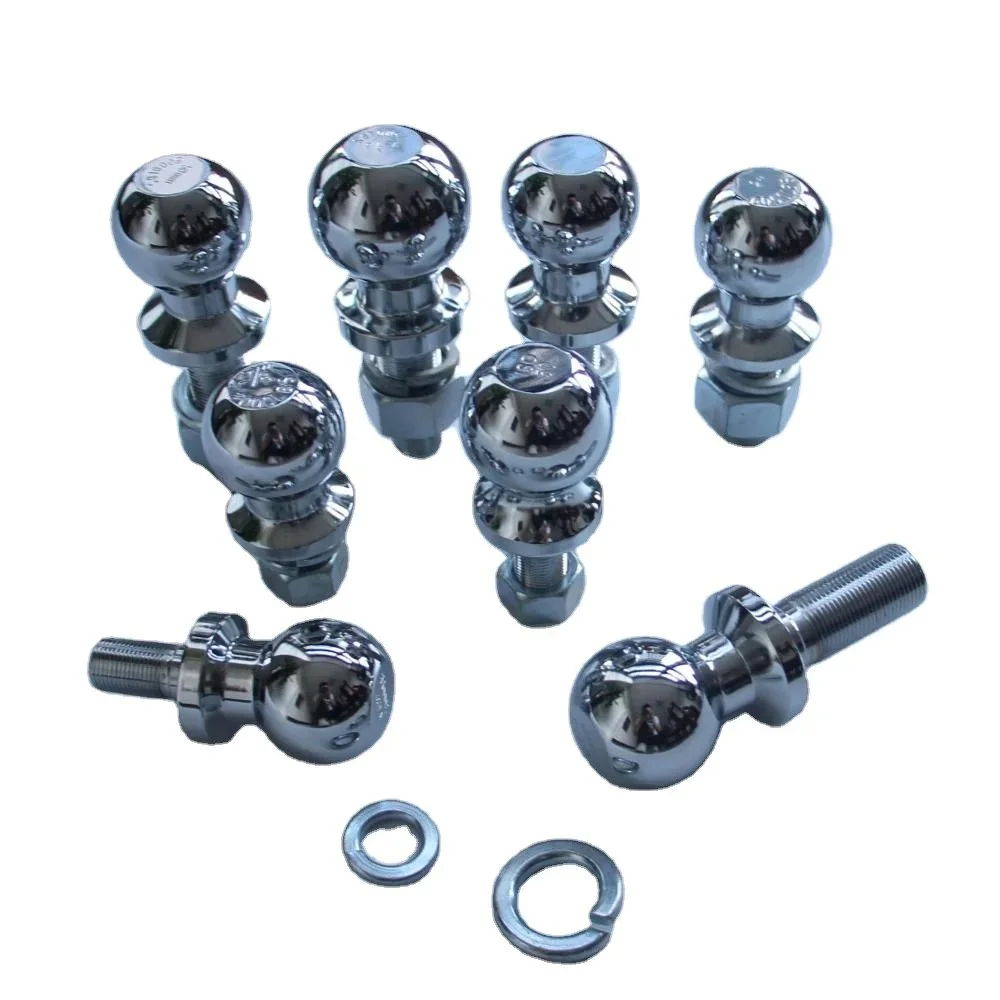
Understanding Trailer Balls and Chains: Key Components in Towing Systems
Terminology Clarification: Trailer Balls vs. Hitch Balls
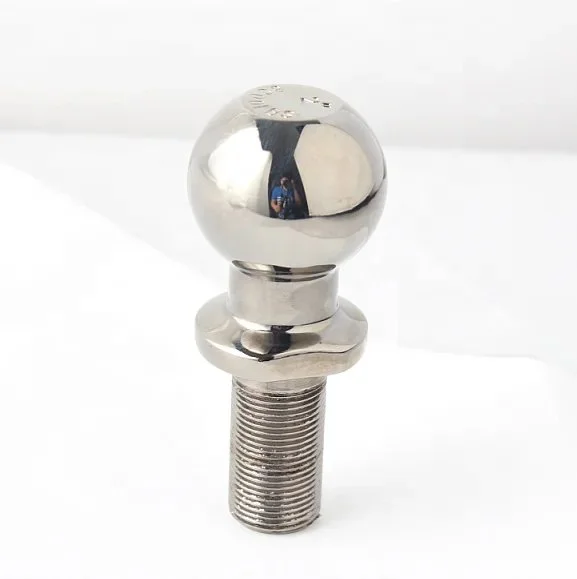
Most of the time, people use the words "trailer ball" and "hitch ball" to refer to the same thing: a spherical connection device on the tow car that connects to the trailer ball coupler. This spherical pivot point lets the car and trailer move together when going around corners or on rough ground. The physical accuracy of this interface is determined by precision engineering. Even small changes in the diameter range can lead to too much play, faster wear, and possible decoupling risks during transport operations.
Material Selection Impact on Durability
The way a part lasts and works under stress is largely determined by its material makeup. Chrome-plated carbon steel is hard and has a smooth surface that makes it easier to engage couplings. Stainless steel grades 304 or 316 are better at resisting corrosion in naval settings where saltwater contact speeds up oxidation. Galvanized finishes are a cheap way to protect against moisture in the air, but they need to be checked every so often to see if the coating is wearing off. For heavy-duty industrial uses, forged steel is often preferred over cast steel because forging lines the metal grain structure to handle shear forces up to three times the gross trailer weight limit without material fatigue or catastrophic failure.
Size, Capacity, and Chain Grade Specifications
The right size of a component is directly related to working safety and the effectiveness of load control. For light-duty applications with a gross trailer weight of less than 2,000 pounds, standard trailer balls have a diameter of 1-7/8 inches. For mid-range loads up to 6,000 pounds, standard balls have a diameter of 2 inches, and big industrial trailers with a capacity of 30,000 pounds use 2-5/16-inch balls. Federal motor vehicle safety standards require safety chains to be used as two separate ways to secure things.
Grade 43 high-test chains have tensile strength ratings that are good for transport logistics, while Grade 70 chains have higher working load limits for hauling construction equipment. The requirements for buying must make sure that the working load limits of the chain are at least as high as the gross trailer weight, and that the connection hardware is rated for the same amount of stress to keep weak links from breaking.
Total Cost of Ownership (TCO) in Trailer Balls & Chains Procurement
Beyond Initial Purchase Price
A good purchase study looks at all the costs that come up over the course of a product's life, not just the costs of acquisition. A cheap trailer ball made of poor metal may seem like a better deal at first, but it will need to be replaced three times more often than a high-quality one that is made to last through long cycles of stress. When procurement professionals figure out TCO, they have to take into account the cost of new work, the time the vehicle is off the road because of a broken part, the damage that could happen to goods if the coupling comes loose, and the liability that comes with safety events. Companies that use continuous transport schedules find that buying certified parts with written performance tests cuts down on unexpected repair visits that mess up logistics plans and lower operational efficiency.
Material Selection as Cost Driver
Operating factors in the environment have a big effect on how quickly materials break down and how often they need to be replaced. When fleets operate in coastal areas or areas with a lot of winter road salt, rust speeds up and weakens parts within 18 to 24 months when normal finishes are used. Choosing marine-grade stainless steel or hot-dip galvanized parts increases the service life to five years or more, even though they cost 60–80% more at first.
The yearly cost that is spread out over time is more in favor of high-quality materials, especially when emergency repairs and the downtime that comes with them are prevented. Companies that move valuable goods or dangerous substances know that when a part fails, it costs a lot more than just replacing it. They may have to pay to clean up the environment, lose the product, and face fines from the government that can reach tens of thousands of dollars per event.
Installation Quality Impact on Longevity
The performance and service life of a component are directly affected by how it is installed. It is very important to follow the torque specs for trailer ball mounting hardware exactly. If you don't torque it enough, the links can become free over time due to movement and fretting wear, but if you torque it too much, you could stress-fracture the mounting plates or strip the threads.
Using calibrated torque tools and thread-locking compounds makes sure that the connection is safe and can handle vibrations from the road and dynamic loading. Standardized installation procedures and regular verification checks can increase the life expectancy of parts by 30 to 40 percent compared to operations that don't follow these rules. Investing in training in the right way to fit things gives measured returns through fewer early mistakes and higher practical safety margins.
How to Choose the Right Trailer Ball and Chain for Your Business Needs
Decision Framework for Heavy-Duty Applications
For commercial and industrial pulling needs, it's important to evaluate multiple performance factors in a planned way. Load capacity is the most important standard. For dynamic situations, trailer ball and chain ratings must be higher than the highest expected loads by the right amount of safety factors, which are usually 1.5 to 2.0 times the gross trailer weight. It's also important to think about the design of the coupling mechanism. Posi-lock and trigger latch architectures offer better contact that can withstand vibrations than basic latch designs that are more likely to open accidentally. Adjustable channel cast couplers work with a variety of car heights across fleets, so you don't need as many specific ball mounts and it's easier to standardize your equipment.
Material Compatibility Considerations
Matching the materials of parts to their working settings stops them from breaking down too quickly and keeps the structure's integrity during repair intervals. Marine uses must have 316-grade stainless steel or special zinc-rich pickling methods that can handle repeated submersion without losing their protective coats. On construction sites with rough dust and impact loads, hardened chrome finishing is useful because it keeps the dimensions of the parts and doesn't wear down easily.
For operations that go through cycles of high and low temperatures, materials need to have thermal expansion factors that are suitable so that they don't come loose during the cycles. Mismatches between material properties and real working stresses can be avoided by doing a full environmental study before specifying components, and this is especially critical for a trailer ball, which experiences repeated thermal and mechanical loading in towing applications.
Evaluating Supplier Reliability and Support
Long-term success in procurement depends on building relationships with makers who offer full warranty coverage and quick expert support. Suppliers who provide approved test paperwork showing agreement with SAE J684 standards offer quality guarantee that can be checked, as opposed to promises of unproven ability. After-sales support is very important when there are problems with installation or strange wear patterns that need to be looked into.
Consulting an engineer can help you find the root causes and fix the problem. Delivery dependability also affects operational planning. When suppliers keep enough inventory on hand and offer fast shipping options, they cut down on buying wait times that could otherwise cause equipment gaps during busy operational times.
Installation, Safety, and Maintenance Best Practices for Trailer Balls & Chains
Step-by-Step Installation Procedures
To properly mount something, you must first choose a ball mount design that fits the tow vehicle's receiver tube size. Common sizes for receiver tubes are 1-1/4 inches, 2 inches, and 2-1/2 inches square. The ball mount shank needs to be fully inserted into the receiver tube so that the pin hole lines up with it. Then, a sharpened steel pin with a locking clip needs to be used to keep it in place so that it can't be removed during operation.
Threading the trailer ball through the platform's center hole and securing it with the washer and lock nut that come with it must be done to the manufacturer's specs, which vary based on the size of the ball and range from 90 to 450 foot-pounds. A measured torque wrench makes sure that the clamping force is just right, without overstressing the threads or not securing the link enough.
Common Installation Pitfalls to Avoid
A lot of people make mistakes that make pulling less safe and parts wear out faster. Putting a ball mount in the receiver without fully fitting it causes too much force, which can damage the receiver tube or bend the shank when it's loaded. If you don't use thread-locking powder on the threads that hold the trailer ball in place, vibrations can cause them to become free, which can cause the ball to come apart during transport.
If the ball diameter isn't the same as the coupler size, the coupler latch might look attached but isn't making good contact with the ball surface, which could cause it to come loose suddenly. Cross-threading mounting hardware during installation makes the link weaker and stops the right torque values from being reached, so the part has to be replaced instead of just being reinstalled.
Safety Inspection and Maintenance Protocols
Regular inspections keep wear that hasn't been noticed from getting worse until it fails. A visual inspection should reveal surface rust, cracks in welds or castings, and excessive wear on ball surfaces that could mean the bearings aren't properly oiled or aren't aligned. Safety chains need to be checked for bent or broken links that lower their load capacity. Any link that shows deformation or rust pitting that is more than 10% of the original material thickness needs to be replaced.
Functional testing makes sure that the coupler latch mechanisms work properly and fully connect and lock without needing too much force. As part of maintenance, you should clean up any road debris that has built up, lubricate any moving parts that need it, and check the torque specs on the fixing hardware every 5,000 miles or three times a year for heavy-use situations. Pay special attention to the trailer ball surface during these checks, as wear or contamination there can directly affect latch engagement and overall coupling security.
Why RUIRUI's Premium Trailer Ball Solutions Deliver Optimal Value
Material Quality and Certification Standards
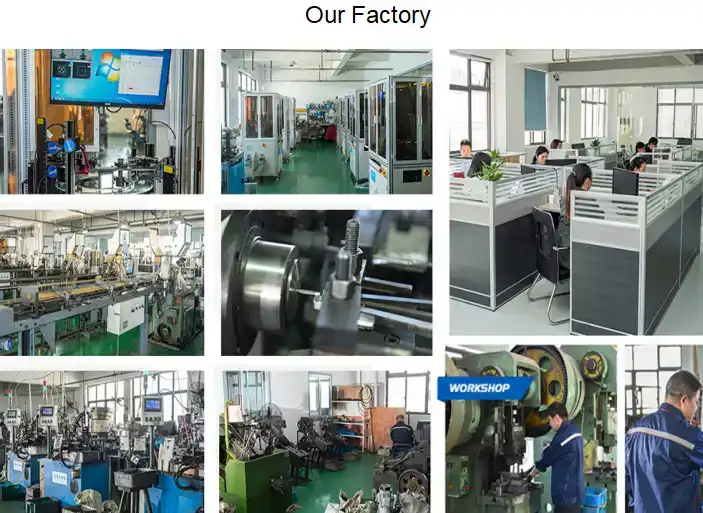
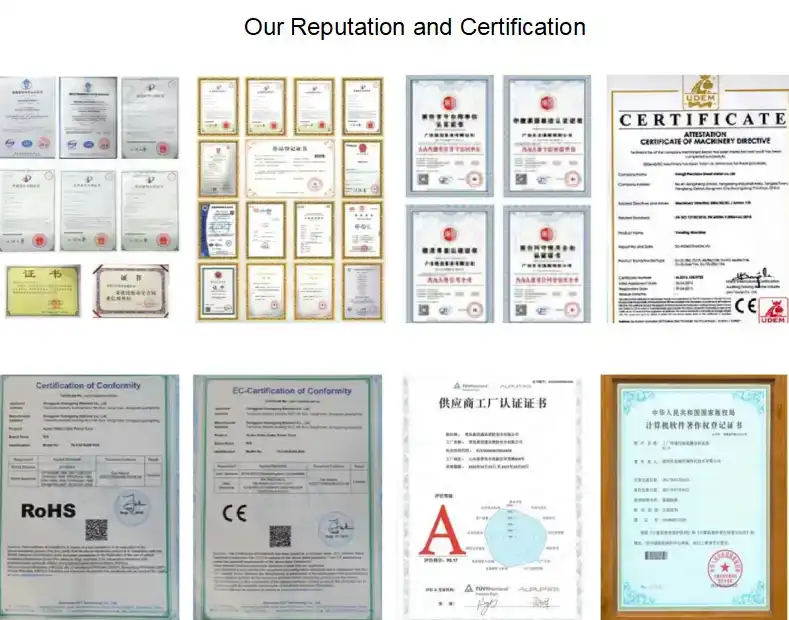
RUIRUI makes trailer balls and tow parts out of cold-forged carbon steel and stainless steel alloys that are chosen for their high tensile strength and resistance to wear. The way we make things follows the rules set by ISO 9001 for quality control. This makes sure that the sizes and metal features stay the same from one production run to the next. Each part goes through strict testing procedures that make sure it meets the load values in SAE J684, and there is paperwork to back up the standards for procurement qualification. When you combine advanced metallurgy with precise manufacturing, you get parts that keep their structural integrity under repeated loading cycles. This means that fleet operators and industrial users don't have to change parts as often and pay less overall.
Customization Capabilities for Diverse Applications
RUIRUI knows that standard parts can't meet all practical needs, so they offer full OEM and ODM customization services. Our engineering team works with clients to create unique combinations, such as custom shank lengths, non-standard ball sizes, and surface treatments that are best for the job, such as powder coating or special galvanizing methods. Changing threading specs, rise-drop measurements, and finish choices lets buying teams make sure that parts work best with current equipment while also meeting specific legal or environmental needs. Organizations that use specialized tools or work in harsh conditions where off-the-shelf parts don't meet performance standards will benefit the most from this customization feature.
Global Support and Logistics Excellence
We can support foreign supply lines with reliable delivery and thorough documentation because we have exported to more than 80 countries in North America, Europe, and other parts of the world. Professional packing rules keep parts safe during international and container shipping, stopping damage that could make them less useful or require returns. Quick technical support from experienced experts who know a lot about different apps and regulatory settings helps with choosing the right product, installing it, and fixing problems. Large container orders and smaller replenishment packages can both be shipped with flexible shipping plans. This helps inventory management strategies that balance availability with minimizing moving costs.
Conclusion
A study of the total cost of ownership shows that buying high-quality trailer ball and chains is more like investing in the future than just buying things you need. Procurement experts find that higher-quality parts give better financial returns despite being more expensive at first. They do this by looking at lifecycle costs like how often they need to be replaced, how much upkeep they need, and how much it costs to stop operations.
Long-term efficiency and cost-effectiveness depend a lot on the materials used, the quality of the installation, and the help from the provider. Companies that choose certified parts that are made to strict standards and come with technical support see better safety margins, less downtime, and higher working efficiency across all of their towing operations.
FAQ
What distinguishes a trailer ball from a hitch ball?
These terms all refer to the same part: the sphere coupling device that connects the trailer coupler to a car that is pulling the trailer. Both terms are used equally in the business world, but "hitch ball" is more common in market settings while "trailer ball" is more common in business and technical writing.
How do I determine the correct size and weight capacity?
Make sure the ball width matches the coupler's specifications, which are usually stamped on the coupler's body. Choose a weight rating that is higher than your trailer's highest gross weight. Common weight ratings are 2,000, 5,000, 7,500, 10,000, and higher. When used with the right connection gear that is rated similarly, safety chains should have working load limits that are the same as or higher than the gross trailer weight.
What maintenance extends component service life?
Regular cleaning gets rid of harmful road salts and other waste, and the right amount of lubricant keeps moving parts from rubbing against each other. Every 5,000 miles or three times a year, check the surface for cracks, excessive wear, and rust. Make sure that the torque standards for the mounting hardware stay within the manufacturer's suggestions. Also, repair any part that has structural damage or changes in size from wear.
Partner with RUIRUI for Cost-Effective Trailer Ball Solutions
RUIRUI makes precision-engineered tow parts that lower your total cost of ownership by using better materials, ensuring quality, and letting you make a lot of changes. With our skills in metal stamping, CNC machining, and advanced surface processes, we can make trailer ball goods that meet the high standards of industrial fleet operators, infrastructure builders, and global wholesalers. Contact our technical team at kshdhardware@qdkshd.com if you are a procurement manager looking for a trusted trailer ball maker to work with. Find out how our ISO-certified manufacturing processes, flexible OEM support, and efficient transportation can help your supply chain and make operations safer and your tools more reliable.
References
1. Society of Automotive Engineers. (2020). SAE J684: Trailer Couplings and Hitches—Automotive Type. SAE International Standards.
2. National Highway Traffic Safety Administration. (2019). Federal Motor Vehicle Safety Standards: Trailer Hitch Requirements and Load Testing Protocols. U.S. Department of Transportation.
3. American Society for Testing and Materials. (2021). ASTM A36/A36M Standard Specification for Carbon Structural Steel. ASTM International.
4. International Organization for Standardization. (2018). ISO 9001:2015 Quality Management Systems—Requirements for Manufacturing Industries. ISO Standards Catalogue.
5. Trailer Equipment Manufacturers Association. (2022). Best Practices Guide for Commercial Towing Equipment Selection and Maintenance. TEMA Industry Publications.
6. Materials Performance Institute. (2021). Corrosion Resistance of Ferrous and Stainless Steel Alloys in Marine and Road Salt Environments. MPI Technical Research Report Series.

Send Inquiry
You may like