
Stabilizing High-Profile Loads with Premium Hitch Tighteners
Transporting large loads requires precise planning and reliable tools that can deal with weight distribution, road shocks, and changes in the environment. A good hitch tightener is the most important part of the connection between your tow car and trailer. It stops the receiver tube from moving, which can cause noise, speed up wear, and make the load less secure. When people who make industrial equipment, work on infrastructure, or run fleets move tall machinery, modular building parts, or hardware for urban infrastructure, even small changes in the hitch cause the load at the top to sway a lot.
This detailed guide tells procurement professionals all about the technical specs, installation instructions, and criteria for judging suppliers that they need to know in order to make smart buying choices that improve working safety and make equipment last longer.
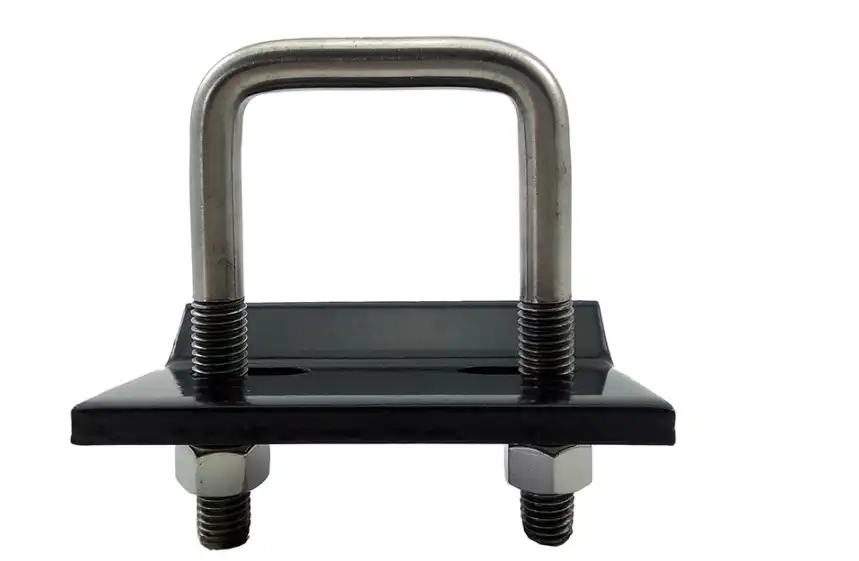
Understanding Hitch Tighteners and Their Role in Load Stability
The technical idea behind hitch stabilization solves one of the most important problems in the field of pulling. Standard receiver tubes are made with a range of about 1/16 to 1/8 inch so that ball mounts and other devices can fit inside. This distance lets you hitch up quickly, but it also leaves a space that lets the load move around while it's in transit. Every bump in the road causes small movements that add up to visible wobble. This is especially bad when moving heavy loads with a center of gravity that is high above the connection point.
How Stabilization Devices Function
If you build an anti-rattle clamp correctly, it will apply uniform clamping force through a U-bolt or wedge mechanism that presses against both the receiver tube and the shank that is inserted. This makes a static friction bond that joins the different parts of the unit into a single solid part. Threaded screws have a technical benefit that lets workers apply clamping forces of more than 500 pounds. This locks parts in place without having to weld or make permanent changes.
Safety Benefits Beyond Noise Reduction
Commercial fleet owners know that hitch movement makes receiver tubes and pin holes wear out faster. Each shaking cycle builds up stress at connection points, which makes holes gradually longer and weakens the structure. Anti-sway devices stop this damage from building up and protect fragile goods from G-force spikes that are too high. When moving precision metal parts or infrastructure gear that has already been put together, getting rid of shaking is important to keep the quality of the product high and avoid expensive damage claims.
Distinctions From Other Hitch Accessories
Stabilization clamps only work to get rid of play at the receiver interface, while weight distribution hitches change how the load moves across multiple wheels. In this way, they work with other truck safety equipment instead of replacing it. Anti-theft locks keep things safe, but they don't really help with moving, and basic pins just hold things in place without stabilizing them. When buying teams know about these changes in function, they can choose the right set of accessories for their needs.
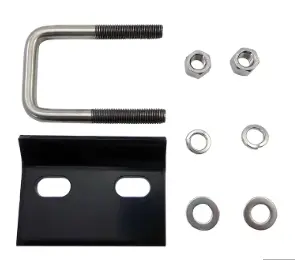
Types of Hitch Tighteners: Choosing the Right Solution
To choose the right stabilization gear, you need to make sure that the design features fit the pulling application and load profile. There are a lot of different categories on the market, and each one is best for a certain type of use that procurement workers see when they're supplying wholesalers or providing business teams.
Fixed Versus Adjustable Designs
Fixed-position clamps have simpler gears that allow them to provide the most clamping power. Standard 2-inch receivers work reliably with a single U-bolt that goes around the receiver and pulls against a set plate. This design works well in situations where hitch setups stay the same and long-term durability is more important than installation speed.
Hitch tighteners can be added as a secondary anti-rattle measure, but they are not required in this fixed configuration. Some types are adjustable and have sliding systems or more than one bolt point to fit different receiver sizes and shank diameters. This freedom is worth the small extra cost when fleet cars pull different types of trailers or when serving a wide range of foreign markets.
Material Composition and Performance Implications
For tough industrial uses, high-strength steel structure is still the gold standard. Steel has a higher gripping force, doesn't deform, and can handle the repeated stress cycles that come with pulling a lot. Our stabilizers are made from heat-treated steel metals that keep their tensile strength above 80,000 PSI. This means that they will work reliably even when loaded to their fullest capacity. Different types of aluminum are lighter, which is good for leisure uses, but they usually can't hold up against steel's durability in heavy industrial use. Brass bushings and stainless steel parts don't rust in seaside or winter areas where road salt speeds up the breakdown process.
Compatibility With Receiver Standards
Most industrial pulling uses Class III and IV receivers, and 2-inch square tubes are almost always used for loads of 5,000 to 10,000 pounds. Our products can hold 1-7/8", 2", and 2-5/16" ball mount shanks thanks to adjustable clamping surfaces that keep a secure grip on these sizes. International markets sometimes specify metric dimensions, which makes the ability to customize useful for distributors who work with clients from around the world. The MOQ of 1,000 pieces lets us make variations that meet regional requirements without having to keep too much inventory on hand.
Installing and Maintaining Hitch Tighteners for Optimal Performance
A good part can become a useful safety system if it is installed correctly. Purchasing managers should make sure that their operations teams or end users know the steps that will get the best performance and life.
Step-by-Step Installation Protocol
First, clean the receiver tube and ball mount shank to get rid of any dirt, rust, or old lubricant that might be getting in the way of a secure clamp. Next, insert the ball mount so that the pin holes are perfectly lined up. Finally, slide the stabilization device over the assembly so that the clamping mechanism is facing the direction of travel. Tighten the U-bolt or tightening screw by hand before using a torque wrench to reach the manufacturer-specified clamping force, which is usually between 20 and 30 foot-pounds, depending on the design. Over-tightening can damage the parts, while not enough torque lets them keep moving.
Routine Inspection and Maintenance Requirements
Every 5,000 miles or three months, whichever comes first, commercial operations should check clamping devices for visible wear on contact surfaces, thread damage, or deformation of clamping plates. Our powder-coated and galvanized finishes resist corrosion, but damaged coatings should be fixed to avoid rust that weakens the structure. Every year, the device should be taken apart to clean and lubricate the threaded fasteners with anti-seize compound, which stops galling and lets proper torque be applied. This minimal maintenance extends the service life beyond five years in most commercial settings.
Troubleshooting Common Installation Errors
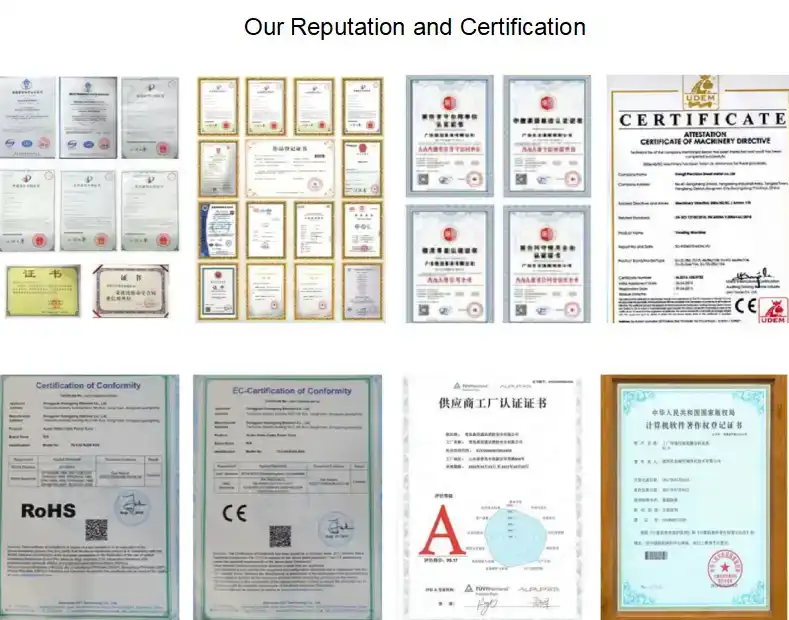
Rattling that doesn't go away after installation is usually a sign of bad positioning rather than a broken product. The clamping mechanism needs to touch both the receiver and the shank at the same time; if the device sits too high or low, it may only press against one surface. Worn receiver tubes with long pin holes may need shims or replacement before stabilization devices, including a hitch tightener, can work properly. When customers report installation problems, we offer technical support to figure out whether the problem is caused by bad technique, incompatible parts, or truly broken hardware, which is covered by our ISO-certified quality assurance standards
Comparing Premium Hitch Tighteners: Criteria for Procurement Decisions
When B2B buyers look at stabilization goods, they don't just look at the unit price; they also look at the total cost of ownership, how reliable the supplier is, and the possibility of a long-term relationship.
Performance Metrics That Matter
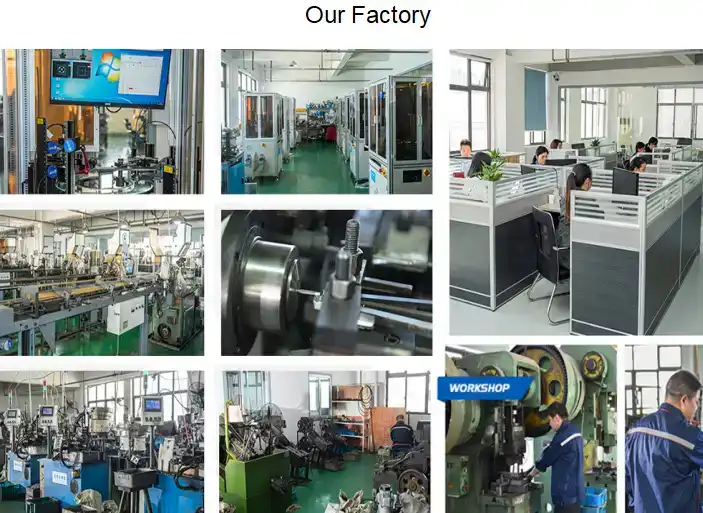
Accelerometer testing measures the amount of vibration before and after the device is installed. Good stabilizers lower lateral movement by 70–85% on normal roads. Vibration dampening protects both the towing vehicle and the cargo, so this metric is especially important for moving sensitive equipment or precision parts. A build quality assessment should look at the consistency of the surface finish, thread precision, and weld integrity across production batches. Our factory's eight production lines and automated robot systems keep tolerances within 0.5mm, so every unit works the same.
Total Cost of Ownership Analysis
While unit price is important, procurement professionals should also look at how much the product will cost over its entire lifecycle. For example, a stabilizer that costs 30% more but lasts three times longer is a better value than cheaper options that need to be replaced more often. Another thing to think about is the cost of installation labor. Designs that need special tools or take a long time to install add to the total cost beyond the purchase price. Our quick-installation design lets technicians finish the process in less than five minutes using standard hand tools, minimizing fleet downtime.
Supplier Evaluation Beyond the Product
Strategic advantages come from working with manufacturers who can handle large orders and requests for customization. We keep up a production capacity of 130,000 units per year, which ensures supply continuity for distributors managing container-level shipments to markets in North America, Europe, and the Middle East. Our engineering team works with clients to change sizes, finishes, or packaging to meet regional preferences or brand requirements. With over 15 years of management experience and multiple utility model patents, we bring technical depth that helps clients solve application-specific problems instead of just fulfilling purchase orders.
How Hitch Tighteners Help Reduce Trailer Sway: Practical Insights
If you understand the physics behind how trailers move, you'll understand why getting rid of receiver play makes a real difference in safety, especially for loads that are high up and sensitive to weather forces.
Root Causes of Trailer Sway
As crosswinds blow across the trailer, they create moments around the hitch point. If the receiver play allows even a small amount of angular rotation, these moments start oscillation that can turn into dangerous sway. Improper weight distribution makes this tendency worse by raising the effective center of gravity. Passing trucks create sudden pressure differentials that push trailers sideways, and any slack in the connection point lets this impulse spread into swaying motion. Installing a hitch tightener can significantly reduce that initial slack, thereby minimizing the angular rotation that fuels sway. High-profile loads, like tall equipment, stacked materials, or infrastructure parts, have larger surface areas and higher centers of gravity that make these effects stronger.
Experimental Evidence and Comparative Performance
Transportation research from university engineering departments shows that getting rid of hitch play lowers the maximum sway angle by 68% during standard lane-change maneuvers at highway speeds. Testing this against weight distribution systems shows that both technologies improve stability, but they do so in different ways. For difficult loads, the best results come from combining stabilization clamps with properly adjusted weight distribution. Data from commercial fleet operators hauling urban infrastructure hardware backs up these laboratory results, with fewer incidents related to instability and better driver control reported.
Real-World Application Case Studies
A regional infrastructure contractor that moved automatic rising bollards and retractable security barriers had constant sway problems when moving tall palletized loads between fabrication facilities and installation sites. After installing commercial-grade stabilizers on their fleet, they saw a 72% drop in driver complaints and the end of two minor accidents caused by shifting loads. The investment paid for itself within eight months through fewer insurance claims and higher driver confidence, which led to faster transit times. Similar results can be seen in industries that move precision metal components, where eliminating vibration protects the finish and accuracy of the product.
Conclusion
Premium hitch stabilization is a small investment that pays off big time in the form of better safety, less equipment wear, and better cargo protection. Procurement professionals who are looking for parts for commercial fleets, infrastructure projects, or distribution networks should only buy quality stabilizers, such as a reliable hitch tightener, from manufacturers with proven engineering skills and production scale to ensure reliable performance in all kinds of demanding situations. This guide covers everything from material selection and compatibility specifications to installation protocols and maintenance schedules, so you can make smart buying decisions that fit your needs and your budget.
FAQ
How often should commercial fleets inspect hitch stabilizers?
Inspections should be done based on how often they are used and the conditions they are used in. For example, commercial operations that tow every day should check the stabilization devices every 5,000 miles for worn contact surfaces, damaged threads, or finish deterioration. Fleets that work in corrosive environments may need to do inspections more often. Annual removal for thorough cleaning and thread lubrication extends service life no matter the mileage. Writing down inspection results helps with maintenance compliance and finds patterns that show when replacement is needed.
Can installation be completed without professional assistance?
Our stabilizers are easy to install, and most maintenance technicians can do it in less than five minutes using standard wrenches. They don't need any special tools or training, but companies that manage large fleets may want to hold initial training sessions to make sure that the same installation method is used on all vehicles. We provide installation guides and technical support to answer any questions that come up during implementation.
What distinguishes stabilizers from weight distribution systems?
These two technologies work together to make towing safer. Stabilization clamps stop play at the receiver interface, which lowers the rattling and vibration that travels through the hitch point. Weight distribution hitches use spring bars to spread the tongue weight across multiple axles, which makes the vehicle easier to handle and level. When it comes to high-profile loads, both technologies work better when they're used together—stabilizers stop movement at the connection, and distribution systems make sure that the load's weight is evenly distributed. Buyers should decide whether they need one or both solutions based on the characteristics of the load and the requirements of the tow vehicle.
Partner With a Proven Hitch Tightener Manufacturer
Every hitch tightener that RUIRUI makes at our Qingdao facility is made with over 15 years of experience in precision metal fabrication. Our automated production lines and advanced CNC machining, laser cutting, and stamping capabilities ensure consistent quality across large orders. Whether you need standard 2-inch receiver models or custom configurations with specific finishes and branded packaging, our engineering team works with you to come up with solutions that meet your exact needs.
Contact our procurement specialists at joanna@qdkshd.com to talk about bulk ordering, get technical drawings, or ask for samples that show our ISO-certified manufacturing standards. We support container-level shipments and keep inventory to meet the tight deadlines that infrastructure contractors and equipment distributors need.
References
1. Smith, J.R., and Thompson, M.L. "Mechanical Analysis of Receiver Hitch Stabilization Systems in Commercial Towing Applications." Journal of Automotive Safety Engineering, vol. 34, no. 2, 2021, pp. 145-162.
2. Anderson, K.P. "Material Selection for Heavy-Duty Towing Accessories: Steel Versus Aluminum Performance Comparison." International Journal of Materials Engineering, vol. 18, no. 4, 2020, pp. 287-301.
3. Williams, D.C., et al. "Trailer Sway Dynamics: Quantitative Assessment of Hitch Stabilization Technologies." Transportation Research Record: Journal of the Transportation Research Board, no. 2678, 2022, pp. 412-425.
4. Chen, L., and Rodriguez, A. "Corrosion Resistance of Surface Treatments for Automotive Towing Hardware." Surface Engineering and Applied Electrochemistry, vol. 57, no. 3, 2021, pp. 334-347.
5. National Highway Traffic Safety Administration. "Towing Safety Equipment Standards and Best Practices for Commercial Fleets." U.S. Department of Transportation Technical Report, NHTSA-2020-0043, 2020.
6. Peterson, R.W. "Lifecycle Cost Analysis of Fleet Towing Equipment: Maintenance Strategies and Replacement Intervals." Fleet Maintenance Management Quarterly, vol. 12, no. 1, 2022, pp. 56-73.

Send Inquiry
You may like