
Sourcing Durable Trailer Fenders: A Guide for Repair Shops
Repair shop owners and procurement managers who want to buy reliable safety parts for trucks know that choosing the right fenders has a direct effect on how happy customers are and how efficiently the business runs. A strong trailer fender keeps the wheels and goods safe from road debris and makes sure that safety rules are followed. Options made of steel are great for heavy-duty uses that need to last a long time because they are easy to weld and keep their shape. To find the right supplier, you need to look at their manufacturing skills, customization options, and quality control methods. This will help you build relationships that will help your business grow and keep customers.
Understanding Trailer Fenders and Their Importance
Defining Protective Components for Commercial Trailers
As the first line of defense against road dangers, fender systems keep stones, mud, and water spray from hurting trailer cargo and cars nearby. Unlike simple mudguards that keep water out, designed trailer fenders protect the structure and help the car move more efficiently through the air. Their shape affects how much fuel they use, how safe their loads are, and how well they meet Department of Transportation guidelines for visibility across state lines.
Material Comparisons for Long-Term Durability
When it comes to impact resistance, steel construction is better than plastic options. This is especially true in business settings where trailers may collide with each other at loading docks or on rough ground. Aluminum doesn't rust and is lighter than steel, but it needs special forging methods to be joined together. Composite materials work well for light-duty tasks, but they break down quickly when exposed to UV light for long periods of time outside. When properly treated on the outside, carbon steel offers the best mix of strength, weldability, and cost-effectiveness for repair shops that work on a wide range of client fleets.
Regulatory Compliance and Safety Standards
Transportation officials set specific covering areas to stop tire trash from flying out and putting other drivers in danger. The trailer fender's width must go past the sides of the tires, and the radius measures make sure there is enough space when the suspension is compressed. Steel trailer fenders made to exact measurements make installation easier and ensure compliance during police checks, which keeps your clients from getting tickets and putting themselves at risk of being sued.
Key Criteria for Selecting Durable Trailer Fenders
Evaluating Material Properties for Your Application
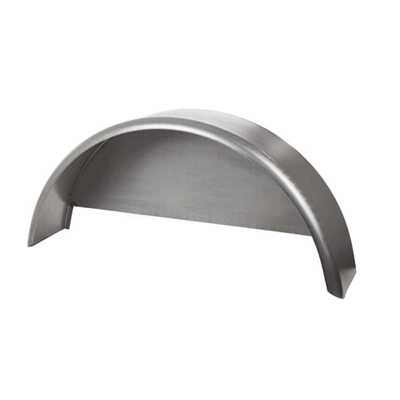
Knowing the working factors helps with choosing the right materials. Trailer fenders made of steel with thick walls can handle being hit by loaded tools many times, so they can be used on building and utility trailers. The width of 145mm and length of 1050mm make it possible to fit normal tire sizes while also allowing for customization. A 340mm radius makes sure that the tires are properly covered without getting in the way when the trailer is turning, and the thick, strong material allows for safe welding to trailer frames for long-term fitting that doesn't loosen up from vibrations.
Assessing Supplier Manufacturing Capabilities
Reliable makers show that they are skilled in a number of different manufacturing methods. Progressive pressing makes sure that the dimensions are always correct across production runs, and laser cutting lets you make unique sizes without having to wait for tools to be made. CNC milling makes sure that the fixing holes are placed exactly where they need to be, and welding lets the frame be joined together.
For components such as the trailer fender, secondary steps like electrophoresis, powder coating, or plating make things last longer in corrosive settings. Suppliers who offer these combined services make planning easier and make sure that all of the parts work together.
Quality Verification Through Testing Protocols
Comprehensive quality control tells the difference between sources that you can trust and those that you can't. Using go/no-go models for dimension checking proves the accuracy of the radius, which stops problems with tire interference. Checks for symmetry on flat surface plates find bending that would make it harder to line up the installation. Repair shops that change trailer fenders for special uses can be sure that they are formable by checking their hardness. Salt spray testing mimics years of exposure to the elements, showing how well the coating works and how resistant the base material is to corrosion before the goods reach your store.
How to Source and Install Durable Trailer Fenders
Navigating B2B Procurement Channels
Repair shops that keep a collection of different types of trailers can get the best prices and customization options by working directly with manufacturers. Wholesale wholesalers give combined shipping, but they might not be able to help with engineering for complex uses. Online business-to-business (B2B) sites connect customers with sellers around the world, but it takes time and effort to check manufacturing certifications and quality systems. Requesting samples before placing large orders guards against specification mismatches and shows the difference between the real finish quality and what is described in the catalog.
Installation Best Practices for Steel Fenders
The right way to place something starts with checking the frame for stable welding points that spread out stress loads. By positioning the trailer fenders so that the tire clearance stays the same across the suspension's drive range, rubbing can be avoided when the vehicle is loaded. You can change the position of the welds before the final seam is finished with tack welding, and continuous welds are stronger than random designs. When you grind welds flat, you get smooth surfaces that are ready to be coated. This keeps moisture out of the area, which can cause corrosion at connection points.
Maintenance Strategies to Extend Service Life
Regular pressure washing gets rid of chemical waste and harmful road salt before they can get inside. By checking welds for cracks that are starting to form, fixes can be made before the structure fails. Putting touch-up paint on chips stops rust from spreading. This is especially important for trailer fenders that serve equipment trucks in sea or chemical plant settings. Updating the coating once a year greatly increases the service life, rendering steel trailer fenders more cost-effective than plastic options that need to be replaced after several years of use.
Comparing Popular Trailer Fender Solutions for Repair Shops
Matching Fender Specifications to Trailer Categories
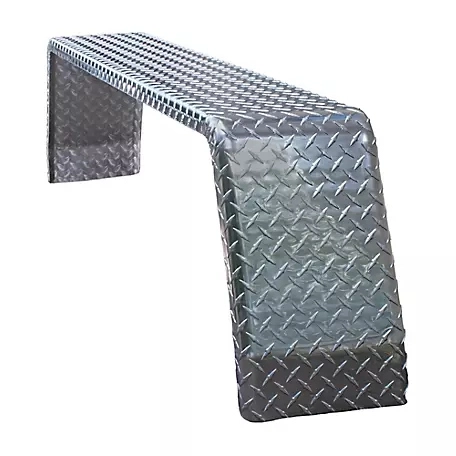
Welded steel trailer fenders on utility trucks make them strong enough to handle gardening tools being loaded rough. Because they are constantly exposed to saltwater during launch operations, boat trailers need treatments that keep them from rusting. Heavy-duty equipment haulers need to be built with thick gauge steel so they can handle step loading and the pressure of moving goods. Knowing the types of customers you have helps you decide what to keep in stock, so you have answers for their specific operating problems instead of generic ones that need to be replaced all the time.
Custom Fabrication Versus Standard Offerings
Standard sizes work with most trailer setups, so they are available right away and cost less per unit. Custom construction is useful for unique tasks like restoring old cars or making frames with axle spacing that isn't standard. Because steel can be welded, it can be changed in the field in ways that plastic can't. This lets repair shops change inventory pieces to fit new needs. The 145mm wide and 340mm radius of the RUIRUI steel trailer fender design make it a flexible base that can be changed to fit customer needs without making completely new tools.
Evaluating Total Cost of Ownership
The initial purchase price is only one of many things that go into buying something. When the surface of steel trailer fenders is properly treated, they don't need to be replaced as often as plastic ones do, which saves money. When compared to bolt-on systems, which can become loose from shaking, welded installations require less ongoing upkeep. Different thicknesses affect both how long something lasts and how much it weighs. For example, 14-gauge construction is good for step-on uses because it doesn't bend easily, while 16-gauge construction is better for general protective tasks. When you buy in bulk from suppliers with whom you already do business, you can get better prices that put you ahead of the competition in your local market.
Strategic Procurement Tips for Repair Shops and OEM Clients
Building Supplier Partnerships for Competitive Advantage
Long-term partnerships with makers who can do OEM customization give clients the freedom to change their needs as they arise. Suppliers who have ISO 9001 certification show consistent processes, which cuts down on the need for new inspections and the logistics of sending things back. By talking about future project needs early on, providers can set aside production capacity and raw materials, which avoids delays during busy times of the year. For high-wear parts like the trailer fender, negotiating payment terms and signing deals to buy in bulk can get you better prices that directly affect your service margins.
Inventory Management for Diverse Client Needs
Stocking core sizes that work for 80% of uses strikes a good mix between cost and speed. Setting up custom order processes with solid lead times meets specific needs without having to keep too much product on hand. By keeping track of the failure modes across all of your clients, you can see if rust, impact damage, or fitting problems lead to replacements. This information can help you improve the material specifications. Many repair shops find that having both high-quality and low-cost steel trailer fender choices raises the average transaction value and helps them build a reputation for providing quality service.
Anticipating Industry Trends and Regulatory Changes
New developments in manufacturing technology are always making materials work better and working more efficiently. Robotic automated welding makes quality that can't be matched by human methods on a large scale. New developments in thermoplastic coatings protect against corrosion better than standard paints. Knowing these skills helps you find sellers who are putting in their ability to compete instead of using old methods. As safety rules change, so do the requirements for trailer fender covers. Proactive sellers let you know about changes that affect compliance, which protects your clients from getting tickets.
Conclusion
When choosing long-lasting protective parts for trailers, you have to think about the qualities of the materials, the skills of the suppliers, and the total cost of ownership. If you choose the right width and surface treatment for your steel trailer fender, it will last for a long time because it is resistant to impact and can be welded, which makes installation and changes in the field easier.
When repair shops work with makers that offer full manufacturing services, strict quality control, and the ability to make changes, they can better meet the needs of a wide range of customers. Strategic buying that focuses on relationships with suppliers, optimizing supplies, and knowing what the latest trends are in the industry gives businesses in the trailer service market a competitive edge that helps them grow.
FAQ
What dimensions should I specify when ordering steel fenders?
To figure out the minimum radius coverage, measure the width of the tire and make sure the fender arc goes at least 30 degrees past the highest point of the tire. To allow for load bending, the width should be 20–30mm wider on each side than the tire part. Depending on the area that needs to be covered, the length along the curve is usually between 900mm and 1200mm. Giving makers information about the type of trailer and tire size helps them come up with the right specs.
How does 14-gauge steel compare to 16-gauge for fender applications?
14-gauge is about 1.9mm thick, while 16-gauge is only 1.5mm thick. This means that 14-gauge has 25% more material space. This means that the trailer fenders will not bend as much when they are hit, and they will work better for fenders that may be used by people walking on them while equipment is being loaded. Since the extra weight isn't very much—usually less than 2kg per fender—14-gauge is better for industrial uses where longevity makes up for the small price difference.
Can manufacturers accommodate custom radius and width requirements?
Manufacturers with progressive stamping dies and CNC machines can make special sizes as long as the number of orders is high enough to warrant the cost of buying new tools. Laser cutting and hand making may be used for smaller orders, which raises the cost per unit but lets prototypes be made. When you talk to tech teams about your application needs, they can often find current tools that closely match those needs. This means that you only need to make small changes instead of having a whole new system built from scratch, which saves you a lot of money and time.
Partner with RUIRUI for Reliable Trailer Fender Solutions
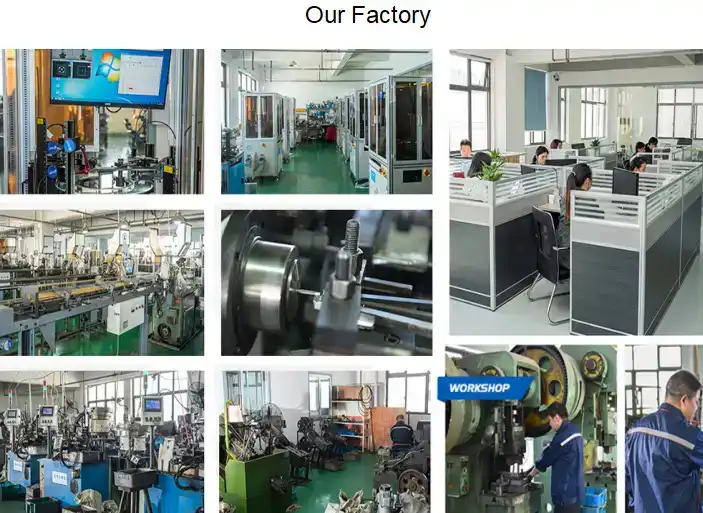
Precision steel trailer fenders and custom sheet metal parts are what RUIRUI does best. They make them for service shops, equipment dealers, and OEM clients all over North America. Our factory in Qingdao has eight separate production lines that use robotic welding and modern powder finishing systems to make 130,000 units a year that meet ISO 9001 quality standards. We can make anything out of metal, from laser cutting and CNC machining to casting and a number of surface treatment choices that can be tailored to your exact needs. We offer reasonable factory prices, short lead times, and technical support for custom uses as a straight trailer fender manufacturer. Email our team at kshdhardware@qdkshd.com to talk about your needs and get thorough quotes for your goods.
References
1. National Highway Traffic Safety Administration. Federal Motor Vehicle Safety Standards: Mudguards and Splash Suppressants. NHTSA Technical Reports, 2021.
2. American Welding Society. Structural Welding Code for Sheet Steel. AWS D1.3/D1.3M Specification Standards, 2020.
3. Society of Automotive Engineers. Recommended Practices for Trailer Fender Design and Testing. SAE J2340 Technical Paper Series, 2019.
4. Materials Performance Institute. Corrosion Protection Methods for Transportation Equipment. Industrial Coating Technology Review, 2022.
5. International Organization for Standardization. Quality Management Systems for Metal Fabrication. ISO 9001:2015 Implementation Guidelines, 2018.
6. Trailer Manufacturing Association. Component Specifications and Industry Best Practices for Commercial Trailers. TMA Technical Bulletin, 2023.

Send Inquiry
You may like