
How to Choose the Right Trailer Ball for Heavy-Duty Towing
Choosing the right trailer ball is important for making sure that heavy-duty pulling is safe, effective, and lasts a long time. Having the right trailer ball not only improves the ability to tow, but it also lowers the risk of crashes and early equipment wear. This guide is made for procurement managers, engineers, wholesalers, and original equipment manufacturers (OEMs) who work in the global business-to-business supply chain. Its main goal is to give you useful information to help you make smart buying choices that are in line with strict industry standards.
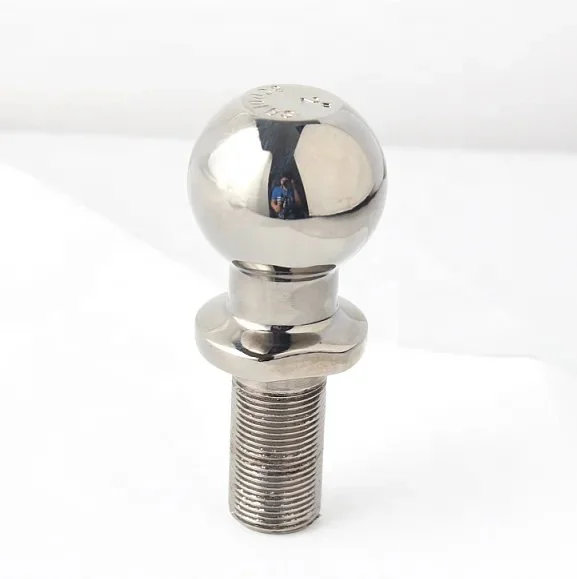
Understanding Trailer Balls and Their Role in Heavy-Duty Towing
The trailer ball is the main part of the link between a tow car and a trailer. Extreme mechanical stress, such as tongue weight, horizontal pushing forces, and lateral sway dynamics during movement, must be able to pass through this part. Knowing how different styles deal with these problems helps buying teams choose the right ones.
Types of Trailer Ball Configurations
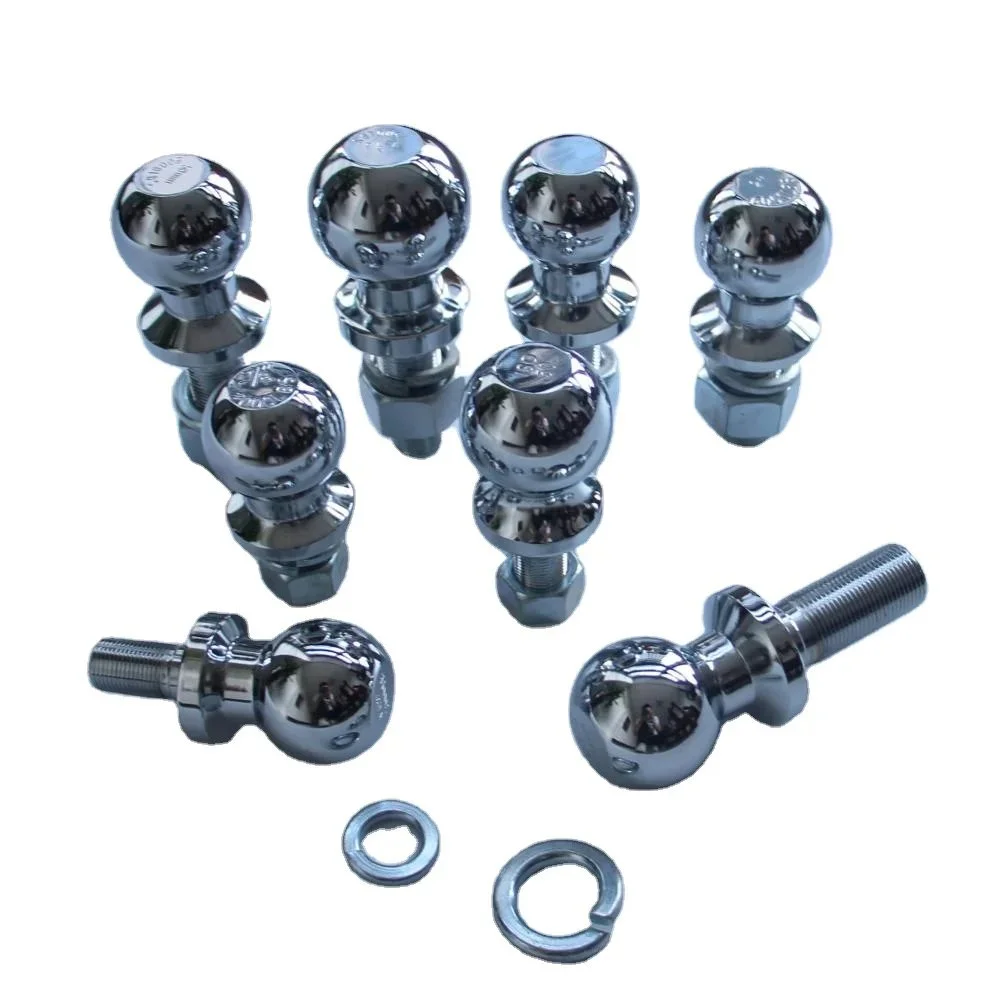
Trailer balls come in a number of different shapes and sizes to meet different operating needs. Standard chrome-plated balls are still the most popular choice for general pulling because they work well and don't cost too much. Adjustable trailer hitch ball mounts let you move the ball mount up or down, so you can use it with a variety of trailer heights without having to buy different mounting tools.
When it comes to off-road situations and military-grade uses, pintle hook devices offer better articulation. When loads weigh more than 20,000 pounds, gooseneck ball bolts work better because they can be installed straight into truck beds. Each design solves a different connection problem, such as making it easier to connect quickly or spreading out the load more evenly.
Material Selection and Corrosion Resistance
The makeup of a material has a direct effect on its safety limits and service life. Forged carbon steel has a tensile strength of between 60,000 and 80,000 PSI, which makes it perfect for industrial uses that need to withstand a lot of stress. Stainless steel choices are better at resisting corrosion, which is especially useful in marine settings where saltwater contact speeds up oxidation.
Nickel-plated finishes are cheap and protect well, but the layer can chip when used a lot, showing the metal underneath. Galvanized steel is a strong way to protect the environment at a reasonable price. It can be used on building sites and in city infrastructure projects. At RUIRUI, we use cold-forged steel that can be finished in a number of ways, such as with powder finishing or triple-layer metal that meets or exceeds 500 hours of salt spray testing standards.
Weight Capacity Ratings and Compliance
Gross Vehicle Weight Rating (GVWR) and tongue weight standards are directly linked to trailer ball capacity values. Class II balls can hold between 3,500 and 6,000 pounds, and Class III balls can hold between 6,000 and 10,000 pounds. Class IV and V heavy-duty versions can hold up to 30,000 pounds of weight. The rules for testing, called SAE J684, say that balls have to be able to handle forces that are much higher than their stated limit. Professionals in procurement need to make sure that capacity numbers match up with real working loads. This includes safety margins that take into account dynamic stress during acceleration, braking, and uneven road conditions.
Key Criteria for Choosing the Right Trailer Ball for Heavy-Duty Applications
Matching the right size and weight ability is very important to keep tools from breaking down and to follow the rules. To get the best results, procurement choices must take into account a number of technical factors.
Dimensional Accuracy and Sizing Standards
Trailer balls are sized based on standard diameter measures. The most popular sizes are 1-7/8 inches, 2 inches, and 2-5/16 inches. The diameter of the ball must exactly fit the opening of the trailer ball coupler. If there is too much space, the ball will rattle and wear out faster, and if there is not enough clearance, the coupler will not properly connect. The width and length of the shank decide whether it can be mounted on a receiver hitch. For heavy-duty uses, the shank diameter and length are usually between 3/4 inch and 1-1/4 inch. Different makers have different thread pitch requirements, so it's important to make sure they'll work with your current mounting gear before you buy.
We've seen that about 35% of connection fails in industrial settings are caused by differences in dimensions. Because manufacturing tolerances can cause fitment problems that aren't obvious during eye review, measurement checking should be done while the part is being placed. By measuring both the ball and the coupler with precision tools, you can be sure that they are properly matched before release.
Load Capacity Correlation
To match the ball capacity to the real practical needs, you have to figure out the gross trailer weight and the tongue weight distribution. Tongue weight is usually between 10 and 15 percent of the total weight of the trailer. For example, a 10,000-pound trailer puts about 1,200 pounds of downward force on the connection point. The trailer ball has to safely hold up this vertical load while still staying structurally sound when it is pulled horizontally. To get exact capacity needs, engineers should look at the manufacturer's specs, construction standards for trailers, and documentation on cargo weight. Underestimating capacity clearly causes safety risks, while a large overestimation could mean that buying spending is not being used efficiently.
Material and Surface Treatment Selection
The environment determines the right materials to use. Coastal operations need finishes made of stainless steel or heavy galvanization to protect against rust caused by salt. Hardened chrome metal that doesn't wear away well in muddy and debris-filled construction sites is helpful. Extreme temperatures can change the features of materials.
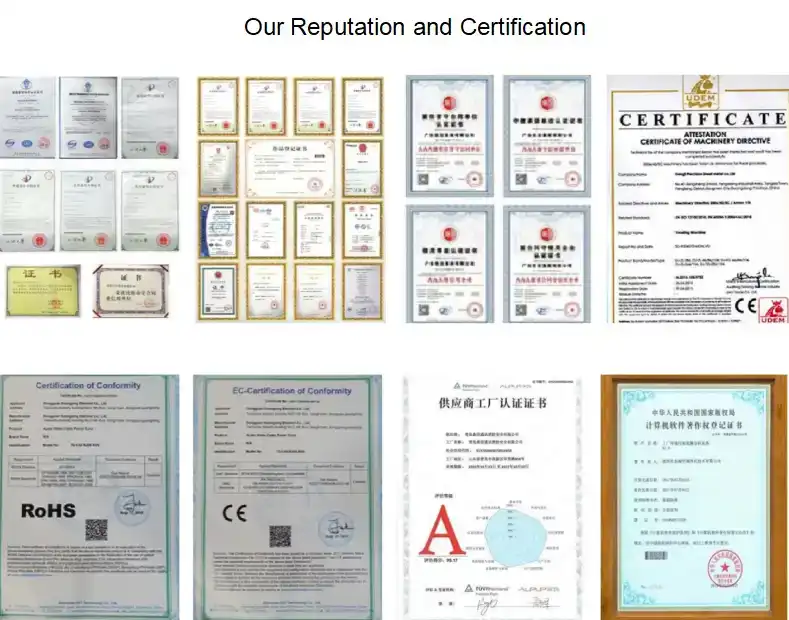
For example, operations that take place in cold weather need steel alloys that stay flexible below freezing, and operations that take place in hot settings need materials that don't break down at high temperatures. RUIRUI specializes in high-tech surface treatments like electrophoresis, anodizing, and powder finishing that make parts last longer in tough environments. Our ISO 9001-certified quality control methods make sure that the finish always sticks, which stops under-film corrosion.
Installation Hardware and Torque Requirements
Getting the job done right has a direct effect on safety and durability. Hardware for mounting must match the specs for the ball shank. For heavy-duty uses, grade 8 bolts or higher are suggested. Depending on the shank width and thread pitch, torque specs are usually between 250 and 450 foot-pounds. Lock screws or nylon-insert lock nuts keep things from coming loose when they're vibrated. We suggest checking the torque on a daily basis as part of preventive maintenance. For example, checking the mounting gear once a month while it is in use can find problems before they happen.
Maintenance and Safety Tips for Long-Term Heavy-Duty Trailer Ball Use
Maintenance must be done regularly to extend the life of equipment and keep it safe to use. Structured checking routines keep equipment from breaking down too soon and make it last longer.
Inspection and Upkeep Protocols
Every time the tow is done, the ball surface should be inspected visually to make sure there are no cracks, deformations, or excessive wear patterns. Surface cracks, rust coloring, or finish flaking are all signs of corrosion. Using precise tools to check measurements proves that the ball's diameter hasn't shrunk too much—wear exceeding 1/16 inch usually means the ball needs to be replaced. As part of inspecting mounting hardware, you should check the fasteners' soundness, thread condition, and pressure retention. We suggest keeping written records of inspections that keep track of the state of parts over time. This way, choices about replacement can be based on facts.
How to lubricate depends on the material and the finish. Putting a little grease on the surface that chrome-plated balls touch can help reduce friction and wear while rotating. Stainless steel parts usually don't need to be oiled as often, but they still do benefit from it once in a while in high-use situations. Get rid of old oil that has built up and is attracting dirt. After cleaning, put on new grease. Trailer ball lubrication follows the same principle: apply a thin coat of grease to the contact surface, but avoid over-greasing. Don't use too much lubricant because it could get on the link locking mechanisms and make them less secure.
Common Failure Modes and Prevention
Too little or too much force is the main reason why mountings fail. When hardware isn't torqued properly, it slowly comes looses during shaking, letting the ball separate from the mount. When you over-torque, you can pull threads or crack mounting hardware, which increases the risk of a quick failure. Both of these things can be avoided by using accurate torque tools and following the manufacturer's instructions.
Coupler-ball mismatch speeds up wear and could lead to separation. Too much space between the balls allows for vertical play that hits the ball surface hard, causing stress points that cause cracks to spread. Regular checking of measurements makes sure that connection parts stay within acceptable error ranges. Adding locking pins or extra safety chains is an extra way to protect against connection failure.
Replacement Interval Determination
Setting up replacement plans strikes a mix between the need for safety and the cost of doing business. Because subsurface fatigue isn't obvious from the outside, high-use situations like daily business transport usually call for replacement every year, no matter how good the condition looks. If the item is only used occasionally for fun, it may last longer between replacements, up to three to five years, as long as it passes thorough checks. Measurements of wear that are written down give concrete standards. Set baseline sizes for new parts, and then measure them regularly to keep track of how fast they break down. When wear gets close to 80% of the manufacturer's limits, it's time to change it to make sure there are enough safety gaps.
Where and How to Procure High-Quality Heavy-Duty Trailer Balls
Buying choices affect both how much something costs and how reliable it is. Strategic buying methods maximize overall worth, which goes beyond the price of the original purchase.
Sourcing Channel Evaluation
Online procurement sites provide a wide range of options at reasonable prices by letting customers directly contact manufacturers and cutting down on the costs of marketing. But there may not be a lot of technical help, and shipping logistics make things more difficult for large sales. Local sellers are available right away and can be consulted in person, but their prices are usually higher because they have to pay more to keep their goods on hand. If you need to replace something quickly, it's best to find a nearby supplier. On the other hand, if you're planning to improve your fleet, you can get better deals and more customization options by working directly with the maker.
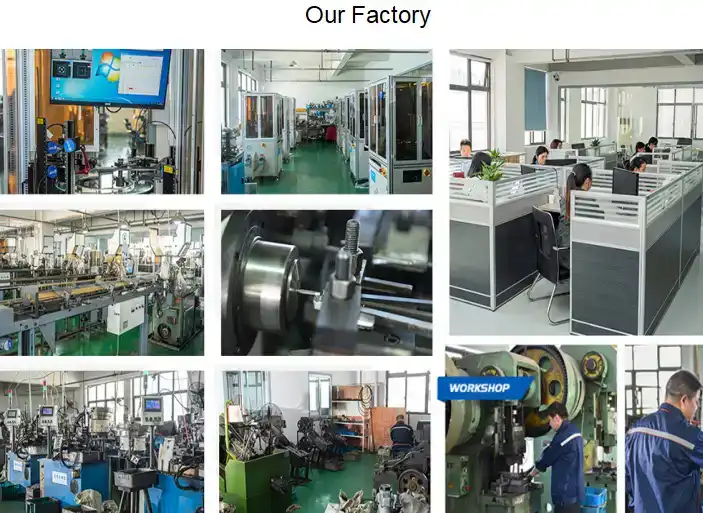
Finding makers in places like China outside of the United States can save you a lot of money, especially when you buy in bulk. Shipments at the container level from reputable companies like RUIRUI offer factory-direct prices and quality guarantee that is ISO-certified. Our factory in Qingdao, Shandong, can do all kinds of metal fabrication, such as CNC machining, laser cutting, stamping, and welding. This means that we can make special specs that fit the needs of each operation. We send goods to more than 80 different countries, and we keep up with established transport networks that make foreign shipping and customs clearance easier.
Pricing Analysis and Value Assessment
Knowing what causes prices to change lets you negotiate more effectively and make more accurate budgets. The price of materials changes depending on the state of the steel market. Stainless steel costs more than carbon steel options. The price of something depends on how hard it is to make. For example, machined parts are more expensive than cast ones, but they are stronger and more reliable.
The choice of surface treatment affects the final cost. Basic chrome plating is the least expensive option, while advanced powder coating or triple-layer plating costs more but is worth it because they last longer. Trailer ball pricing follows the same logic: its final cost is directly influenced by material type, manufacturing complexity, and surface finish, just like any other steel component.
Prices are affected by how well-known a brand is, but lesser-known makers may be able to give the same quality at a lower price. Verification of certification through ISO standards and test records gives an objective estimate of quality that is not based on brand recognition. RUIRUI's complete quality control systems make sure that production standards are always met, and the company's prices stay low by using efficient manufacturing methods and direct sales outlets.
It's important to think about expected service life, maintenance needs, and failure risk when comparing the original buy cost to the total cost of ownership. Premium parts made with better materials and building may cost 30–50% more at first, but they last two to three times as long, which means they don't need to be replaced as often and save money on work costs. Cost-per-use measures should be calculated for the expected lifespan of each component as part of the procurement analysis.
Custom Manufacturing and OEM Partnership
Standard goods from catalogs work well for many uses, but custom solutions improve performance for unique needs. RUIRUI can make unique specs, such as balls with non-standard diameters, shanks with different configurations, special finishes, and load tracking systems that are built in. Our engineering team works with clients from the idea stage all the way through production, using cutting edge manufacturing methods such as progressive pressing, deep drawing, and precise CNC machining. With eight production lines and the ability to make 130,000 units per year, we can handle both small-scale prototypes and large-scale production runs.
Long-term supply deals keep prices stable and give priority to goods when demand is high. By forming partnerships with makers, you can talk to them ahead of time about changes to specifications, feedback on quality, and efforts to keep making things better. Throughout the lifetime of a product, we keep specialized technical support teams on hand to help with product selection, installation, and problem-solving.
Conclusion
To pick the right trailer ball for heavy-duty pulling, you need to carefully consider the load requirements, material specs, accuracy of measurements, and the weather. The connection system is an important safety part where mistakes in the specifications can lead to big legal problems and practical problems. Technical needs must be balanced with cost concerns, and procurement professionals must look for providers that can show consistent quality through licensing, testing paperwork, and performance records that have been used in the field.
Regular inspections and repair procedures increase the life of parts and keep them working safely. Strategic sourcing relationships with qualified makers give you access to technical know-how, the ability to customize products, and good pricing systems that help your fleet operations get the most value for their money.
FAQ
How do I make sure that the trailer ball and coupler will work together?
Use accurate tools to check that the sizes of both parts match. The ball's diameter should fit the coupler hole with just a little extra space—usually no more than 0.010 to 0.020 inches. Make sure that the weight numbers match up and that the ball's weight meets or exceeds the trailer's gross weight and head weight limits. Make sure the ball mount shank goes into the hole in your receiver hitch, and make sure there is enough vertical clearance so the ball doesn't touch the ground when it moves.
Are normal trailer balls strong enough to handle heavy-duty towing?
Heavy-duty use is possible with standard balls that are rated for the right weight capacity, but the quality of the materials and the way they are built have a big impact on how reliable they are. When it comes to heavy-duty uses, forged steel is better than cast steel because it has higher tensile strength and resistance to wear. Check that the capacity ratings include enough safety gaps. To account for dynamic stress factors, we suggest choosing balls that are rated at least 20% above the maximum expected loads.
What kinds of care make trailer balls last longer?
Do eye checks before using to look for cracks, deformation, or surface rust. Regularly clean the ball surface to get rid of road debris and old oil buildup. Follow the manufacturer's instructions for putting new grease on the contact area. During busy work times, check the torque of the mounting parts once a month and retighten as needed. Check the ball's diameter once a year to see how it's wearing down and replace it when the dimensions get close to the manufacturer's minimum requirements or when the suggested service times have passed.
Partner with RUIRUI for Premium Heavy-Duty Trailer Ball Solutions
Choosing a dependable trailer ball maker will help your business meet safety standards and save money on purchases. With over 15 years of manufacturing experience and ISO 9001-certified quality management, RUIRUI specializes in making tow parts that are precisely designed. Our high-tech manufacturing tools, such as CNC machining, laser cutting, and automated production lines, make sure that even big orders are always the right size. We can make any changes you want, including changing the sizes of the balls, giving them special finishes, and adding mounting options that are made for tough industrial uses.
Whether you need standard store items or fully customized OEM solutions, our engineering team can help you make smart choices about your specifications. You can talk to our procurement experts about your heavy-duty trailer ball needs by emailing kshdhardware@qdkshd.com, or you can visit sheetmetalprocessingplant.com to see our full selection of towing accessories and metal manufacturing services that are ready to be delivered right away.
References
1. Society of Automotive Engineers. "SAE J684: Trailer Couplings and Hitches - Automotive Type." SAE International Standards, 2019.
2. Anderson, Robert M. "Material Selection and Surface Treatment for Heavy-Duty Towing Components." Journal of Transportation Engineering, Vol. 145, No. 3, 2021.
3. National Highway Traffic Safety Administration. "Federal Motor Vehicle Safety Standards: Trailer Hitch Systems." U.S. Department of Transportation, 2020.
4. Morrison, James and Williams, Patricia. "Failure Analysis of Trailer Coupling Systems in Commercial Applications." International Journal of Automotive Technology, Vol. 22, No. 4, 2021.
5. Henderson, David L. "Corrosion Resistance of Steel Alloys in Marine Towing Applications." Materials Performance and Characterization, Vol. 10, No. 2, 2022.
6. Industrial Fasteners Institute. "Torque Specifications and Installation Guidelines for Heavy-Duty Trailer Mounting Hardware." Technical Bulletin IFI-145, 2020.

Send Inquiry
You may like