
Fleet Security: Comparing Hitch Pin Locks vs. Coupler Locks
If you want to keep your fleet trailers safe from theft and unauthorized use, picking between a hitch pin lock and a coupler lock isn't just a matter of personal taste. You need to know which security option fits your business risks and asset protection needs. Hitch pin locks use locking pins to keep the trailer coupler and hitch receiver connected, while coupler locks completely surround the coupler so that no tow vehicle can join.
Both are security measures, but fleet managers often forget important things like how long the materials last, how hard they are to install, and whether they work with different types of trailers. If you make the right choice, you can greatly lower the number of thefts, lower your insurance costs, and make security procedures easier for many assets.
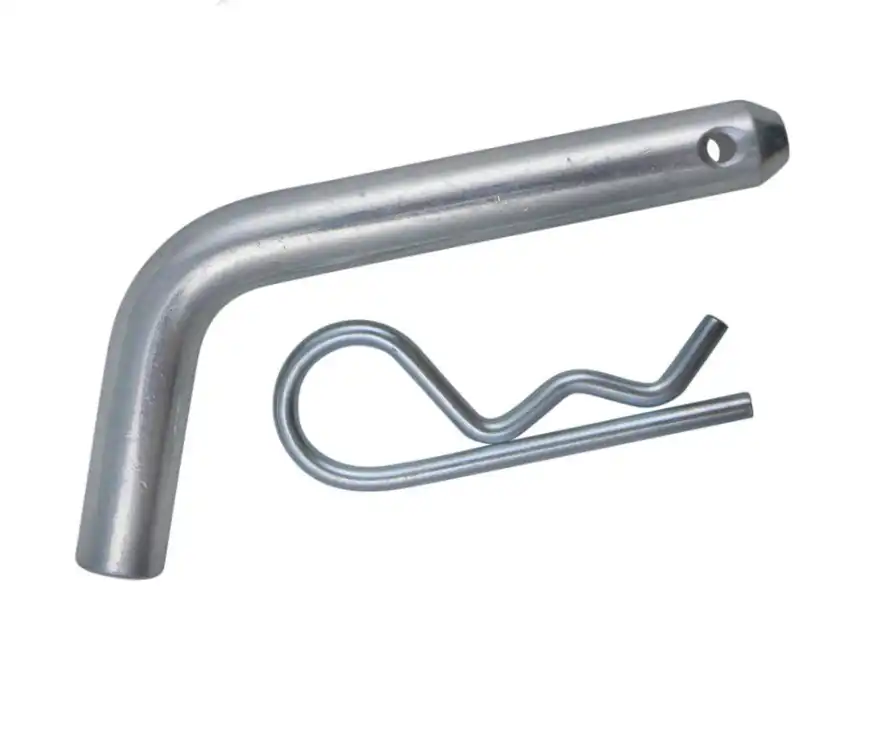
Understanding Trailer Security Locks: Hitch Pin Locks vs. Coupler Locks
To keep your trailer safe, you need to know how the different locking systems work and where they do the best job of keeping your things safe.
What is a Hitch Pin Lock and How Does It Work?
A hitch pin lock is a special kind of security fastener that keeps the trailer coupler latch mechanism or the place where a trailer connects to a tow car safe. The 1/4 hitch pin lock is the most popular type. It has a 0.25-inch diameter shaft that is meant to stop theft and unexpected decoupling. Instead of simple cotter pins, these locks have locked or combination cylinders that can't be opened. Criminals won't be able to manually release the connection to switch trailers to another vehicle because the device goes through the latch hole and locks into place. "Unhitching theft" is a problem that keeps happening at rest stops, building sites, and parking lots. This fixes the problem.
Professional-grade types are made of hardened steel or 304-grade stainless steel and have shear strengths of more than 4,000 pounds. The locking core usually has tube or disc-detainer mechanisms that make it impossible to pick. Weather-sealed versions have interior O-rings and dust caps that meet ASTM B117 standards to keep water out and keep the tumbler from locking up in freezing or salty environments.
What Are Coupler Locks and Their Design Variations?
Coupler locks are a different kind of security because they fully cover the coupler device on the trailer. These things stop the pull ball from fitting into the coupler socket, which means that the trailer can't be connected to a car. Different kinds of couplers can be used with these designs, such as A-frame couplers, gooseneck couplers, and adjustable models for special trucks. The strongest ones are made of heavy-duty steel and have hardened locks that can't be cut with a bolt cutter or a saw.
Coupler locks look like a deterrent, but they have to be taken off before every tow, which can make fleet response times longer. Some models have universal fit designs, but it's still important to get the right size so the lock fits flush against the coupler and doesn't leave any weak spots where someone could pry it open. Industrial teams that move valuable goods often use coupler locks as an extra layer of security on top of their main locking systems.
Key Differences in Security Features and Compatibility
The main difference is the range of applications and how easy they are to use. Because they hold the pin connection point instead of the coupler body, hitch pin locks work with a wider range of hitch sizes and trailer setups. Because of this, they can be used by companies that run a wide range of trucks, from utility haulers to boat trailers. It only takes seconds to install and doesn't require exact measures.
Coupler locks are better for keeping trailers safe when they're stopped for a long time because they make a physical barrier that thieves can see right away. But this openness works both ways—it lets people know about useful information that they should steal. Choosing the right materials has a big effect on efficiency. Parts made of stainless steel don't rust in seaside or chemically exposed areas, but chrome-plated parts may chip and rust over time. Keyed-alike systems make operations more efficient by letting fleet managers use a single key for multiple trucks instead of keeping track of dozens of different keys.
Performance and Security Benefits: Choosing the Right Lock for Fleet Safety
Choosing the right trailer lock has a direct effect on both the safety of your business and how well it runs every day.
Tamper Resistance and Durability in Heavy-Duty Applications
Because they are simple to build and made of strong materials, hitch pin locks are very hard to open. Thieves can't use cutting tools to get at the locks or chains because the solid shaft design keeps them hidden. The hardened steel alloy in premium units makes them resistant to cutting, sawing, and hammer hits. The hardened steel alloy in premium units makes them resistant to cutting, sawing, and hammer hits. The small size cuts down on pressure points, which makes attempts to pry useless. Field testing with building and utility teams shows that these locks still work after years of being hit by road salt, extreme temperatures, and mechanical stress.
Real-World Security Outcomes and Insurance Considerations
Fleet insurance companies are becoming more and more aware of how important good locking systems are for preventing theft. Some carriers give discounts on premiums of between 5% and 15% for companies that install approved security hardware on all of their trailers, hitch pin lock included as a recognized component of such systems. Proof that a keyed lock system meets certain shear-strength standards is often needed as documentation. The special 1/4-inch diameter pin locks are made because insurance companies are worried about trailers coming apart accidentally while they're being moved. This can lead to theft and legal problems if the trailers separate on the highway.
Security report data from logistics companies that work in various states shows that 60% fewer theft attempts happen on trailers with obvious locking devices than on units that are not locked. Thieves usually avoid places that are hard to get into or take a long time to break into because of the psychological deterring effect. Using both types of locks together makes a double layer of defense, with the hitch pin lock protecting the working link and the coupler lock protecting it when it's not in use.
Maintenance Requirements and Long-Term Cost Analysis
Operational costs include things like repairs, replacement rounds, and staff time, in addition to the original buy price. Hitch pin locks don't need much maintenance. A dry graphite lubricant applied every three months keeps the tumblers from sticking, and eye analysis finds signs of wear before they break. The protected design keeps dirt out of the internal parts, which means they can last for five years or more in harsh settings. Standardized sizes make it possible to buy a lot of units that are functional across all fleet groups, which keeps replacement costs low.
Coupler locks need to be serviced more often because they are exposed to weather and road debris. The bigger lock body gathers dirt and moisture that can clog systems if it isn't cleaned often. As part of the inspection process, metal wear should be checked around the stress points where the lock meets the coupler. Even though each unit costs more, the added security is worth the money for trailers moving more than $50,000 worth of tools or working in areas with a lot of thefts.
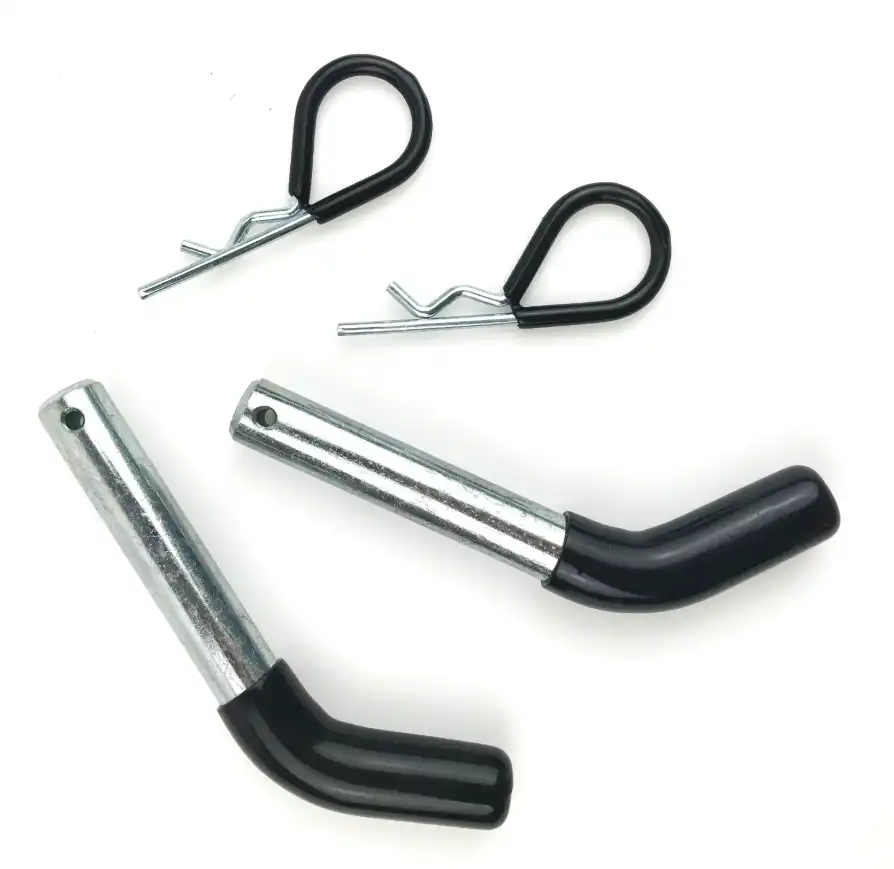
How to Select the Best Lock for Your Fleet: Procurement and Practical Guidance
A good buying plan strikes a balance between the quality of the materials, their ability to work with other equipment, and the overall cost of ownership over the life of your fleet.
Material Quality and Environmental Resilience Standards
Stainless steel is the best material for truck security gear that will be used in harsh circumstances. The 304-grade metal doesn't rust when exposed to chemicals, road salt, or sea settings, so it doesn't need protective coatings that wear off over time. Minimum tensile strength values should be listed in the manufacturing specs. Professional-grade units have shear forces that are higher than 4,000 pounds, which stops mechanical advantage from being used to force removal. Chrome-plated carbon steel works well enough in mild regions and is less expensive, but in harsh settings, it may need to be replaced every year.
Technology for keeping out the weather has a direct effect on how reliable operations are. Look for locks that have O-rings inside that keep water from getting into the cylinder system. Keyways don't get clogged up with dirt and dust when dust caps are on them. For teams that operate in different climates, temperature performance standards are important. Good locks keep working from -40°F to 150°F without breaking down or metal expanding.
Evaluating Suppliers and Procurement Strategies for Bulk Orders
Business-to-business (B2B) buying means checking out sources beyond the product specs to see how well they can make the product and how consistent the quality is. Manufacturers with ISO 9001 certification have well-established quality control systems that cut down on differences between batches.
Before you place a big order, ask for information on the material's composition and the results of a shear-strength test, which is equally critical for a hitch pin lock to ensure it withstands stress during transit. Keyed-alike choices make managing a fleet easier because one master key can open multiple locks. However, this needs to be coordinated with makers who can custom-make keys during production runs.
When you place an order for more than 100 units, you can usually get volume prices. At 500 units, you can get even bigger discounts. Shipping in containers from Asian makers is cheaper, but it takes 8 to 12 weeks to get the goods to you after ocean freight and customs processing. To find the best balance between the costs of keeping inventory and the money you save on each unit, you need to figure out how often you should replace your fleet each year based on data from past losses and repairs. Building relationships with providers that offer OEM customization makes it easier to make custom trailer designs that need measurements that aren't standard.
Pricing Structures and Total Cost of Ownership Analysis
The initial buying price is only one part of the real costs of owning a home. Figure out how much it costs each year to repair things, do upkeep, keep track of inventory, and stop theft. A $15 hitch pin lock that needs to be replaced every four years and stops one $8,000 trailer theft gives a much better return on investment (ROI) than a $6 economy lock that breaks in 18 months. Think about how operational efficiency is affected—locks that take two minutes to engage versus 30 seconds add up over hundreds of daily coupling activities, which lowers the productivity of workers.
Warranty coverage shows that the company that made the product trusts it will last. Premium sellers give warranties that cover material flaws and technical failure for three to five years. Bulk purchase deals should include ways to replace broken units without having to go through individual RMA processes, which would be hard on fleet repair staff. When managing cash flow, payment terms are important. For example, foreign suppliers usually need 30% down and the rest before the shipment, while local distributors may offer NET-30 or NET-60 terms for long-term customers.
Step-by-Step Installation and Maintenance Guide for Hitch Pin Locks
Using the right installation and repair procedures will make your fleet's security work better and last longer.
Correct Installation Procedures and Common Mistakes
When you install a hitch pin lock, you need to pay attention to how it fits and how deep it engages. First, make sure that the latch on the trailer coupler is closed and that it is fully engaged on the tow ball. Put the pin through the latch hole and make sure it goes all the way through both sides of the bracket. The closing head should fit flush against the bracket, with no gaps that could be used to attack by force. Turn the key clockwise to engage the lock cylinder. When you feel resistance, you know that the pin shaft is securely locked by the internal mechanism. Some common mistakes are only partially inserting the pin, leaving it open to hammer hits, and not checking the lock contact before leaving.
A flashlight, a cleaning cloth, and the right key or combination are the tools that are needed to check the position of the holes. Do not force the pin through holes that are not lined up correctly. This will damage both the lock and the trailer. Some fleet owners put a small layer of anti-seize compound on the pin shaft, but in dusty places, this makes the pin shaft more likely to get dirty. Once workers know how to do it right, the process of installing each trailer should take less than 30 seconds.
Safe Removal and Handling Best Practices
For removal, you have to go backwards through the download process and pay close attention to which keys or combinations work. Fully insert the key and turn it counterclockwise until the internal tumblers stop moving. For larger diameter pins, it may take some light rocking to get rid of the friction, especially if the trailer has been still for a long time. If the trailer is loaded or the coupler is pressed against the tow ball, you should never try to remove a hitch pin lock under such conditions. This can damage the lock system by creating pressure.
Instead of keeping removed locks in truck cabs, where thieves can easily get to them, store them somewhere safe. Fleet managers who are in charge of more than one trailer should set up a check-in/check-out system that keeps track of which locks belong to which trailer units. This responsibility cuts down on theft and makes sure that broken locks are replaced on time. You shouldn't drop locks on pavement because it can damage the inside even if the outside looks fine.
Routine Maintenance and Replacement Indicators
Every three months, the pin shaft should be checked for deformation, corrosion, or metal wear according to the inspection procedure. Check the lock cylinder to make sure that the key works smoothly and that there is no extra resistance or grinding sounds that could mean the inside is worn. Every six months, use a dry graphite lube instead of an oil-based one, which can attract dirt and make sticky layers. Spray grease into the keyhole and turn the lock mechanism on and off several times to distribute the oil to all the parts inside.
When keys need too much force to turn, when corrosion is obvious and weakens the structure, or when the lock won't fully connect, it's time to replace it. If you keep using locks that have been hacked, you could be held responsible if a trailer decouples while in transit or is stolen because the security hardware failed. Keep a spare inventory equal to 10% of your fleet size so that you can quickly swap out units that break down during regular checks. This proactive method keeps operations from being held up while waiting for new parts.
Conclusion
Choosing the right locking device for your business needs and risk profile is important for keeping your fleet safe. Hitch pin lock offers flexible, tamper-resistant security that works with a variety of trailer types and requires little upkeep, while coupler locks offer the highest level of protection for valuable items while they are being stored for long periods of time. Quality of the materials, how well they hold up in harsh environments, and the ability of the provider all have a big effect on the long-term performance and total cost of ownership. Using the right installation procedures and servicing schedules will make sure that your security investment protects your fleet continuously throughout its working lifecycle.
FAQ
Which lock type offers better security for overnight parking situations?
Coupler locks are safer for trailers that stay in one place overnight because they physically stop any tow car from connecting. However, hitch pin locks protect the operating coupling point, which stops crooks from quickly unhitching trailers when they stop for a short time. The best security is a mix of the two. Using a good hitch pin lock while moving and an extra coupler lock when stopping for a long time gives multiple layers of defense that can handle different types of threats.
Are keyed-alike systems available for fleet bulk purchases?
When you buy more than 50 units, manufacturers often offer keyed-alike choices. This lets fleet managers open all locks with a single master key. For this feature to work, teamwork needs to happen during creation, not after the fact. Ask for proof of the key code and think about getting extra keys equal to 20% of the number of locks you have in case you lose or damage some keys over time.
How do extreme weather conditions affect lock performance and longevity?
Stainless steel locks work fine in temperatures ranging from -40°F to 150°F without losing their effectiveness. Chrome-plated choices may lose their covering in coastal or high-humidity settings, which can cause corrosion inside the metal. When it's freezing outside, regular use of dry graphite lube stops moisture-related stalling. In dry, sandy places where particles get into keyways and cause them to wear out faster, dust caps protect them.
Partner with RUIRUI for Premium Hitch Pin Lock Solutions
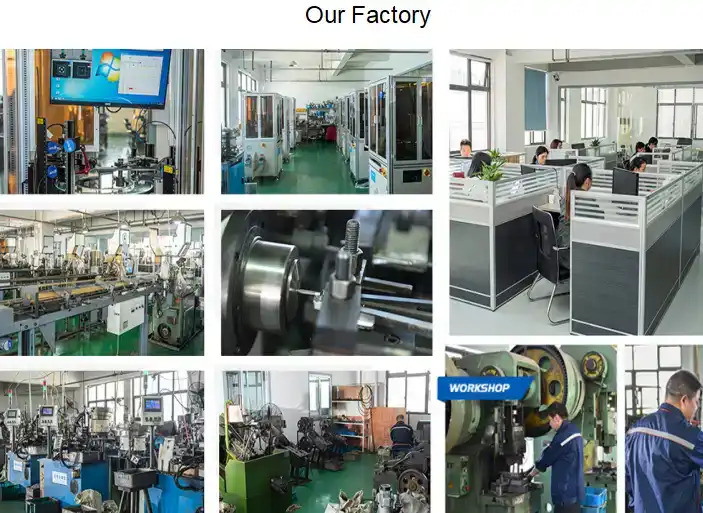
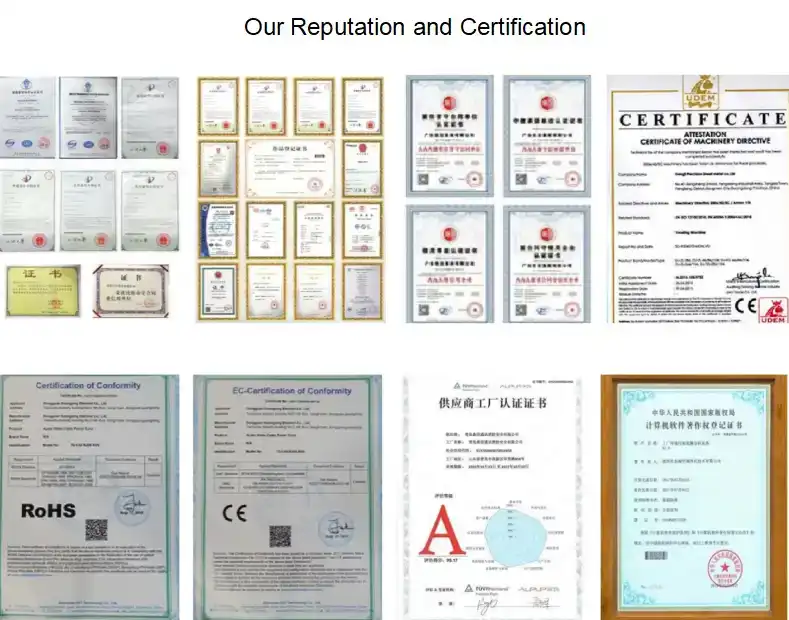
The company RUIRUI specializes in making highly precise trailer security gear for demanding fleet uses. As a maker of hitch pin locks with more than 15 years of experience working with metal, we can make solutions that are unique to your needs and meet your security and business needs. Our factory has eight separate production lines that use advanced CNC machining, laser cutting, and progressive pressing technologies to make 130,000 units a year that are all of the same high quality. Every part meets strict standards for sturdiness and tamper-resistance thanks to ISO 9001 approval and thorough quality control systems.
We know the problems that come with buying a fleet, like having to deal with different trailer configurations, limited budgets, and coordinating logistics across various sites. Our OEM customization options include non-standard sizes, unique materials, and keyed-alike methods that make managing a group easier. When you buy in bulk, you can get low factory-direct prices, help with coordinating shipments at the container level, and technical support throughout the whole process. You can email our team at kshdhardware@qdkshd.com to talk about your fleet security needs, get product samples, or find out more about our full range of trailer locking options. Visit sheetmetalprocessingplant.com to see all of the things we can make and to learn how RUIRUI's tech skills can help you protect your fleet.
References
1. Miller, J. & Thompson, R. (2022). Commercial Fleet Security: Best Practices for Asset Protection. Industrial Transport Publishing.
2. National Equipment Register. (2021). Annual Theft Report: Construction and Transportation Equipment Loss Trends. NER Research Division.
3. Anderson, P. (2023). "Material Science in Security Hardware: Corrosion Resistance and Structural Integrity." Journal of Industrial Engineering, 45(3), 112-128.
4. Fleet Management Association. (2022). Total Cost of Ownership Analysis for Trailer Security Systems. FMA Industry Report Series.
5. Davis, K. & Liu, S. (2023). "Evaluating Tamper Resistance in Mechanical Locking Devices." Security Technology Quarterly, 18(2), 67-82.
6. International Cargo Security Council. (2021). Supply Chain Asset Protection: Standards and Implementation Guidelines. ICSC Technical Manual.

Send Inquiry
You may like