
Construction Trailer Couplers: Durability Meets Performance
Every part is important when building projects need to be reliable. The trailer coupler is the most important part of the connection between your tow vehicle and trailer. It has a direct effect on safety, efficiency, and the ability to keep running. Transporting heavy tools, navigating rough terrain, and working in harsh environments all day are hurdles that only construction workers face. A high-performance coupler is more than just a piece of gear; it's also protection against accidents and costly downtime on the job site. Knowing how these parts combine strength, resistance to corrosion, and mechanical accuracy helps buying teams choose solutions that keep assets and workers safe during tough building cycles.
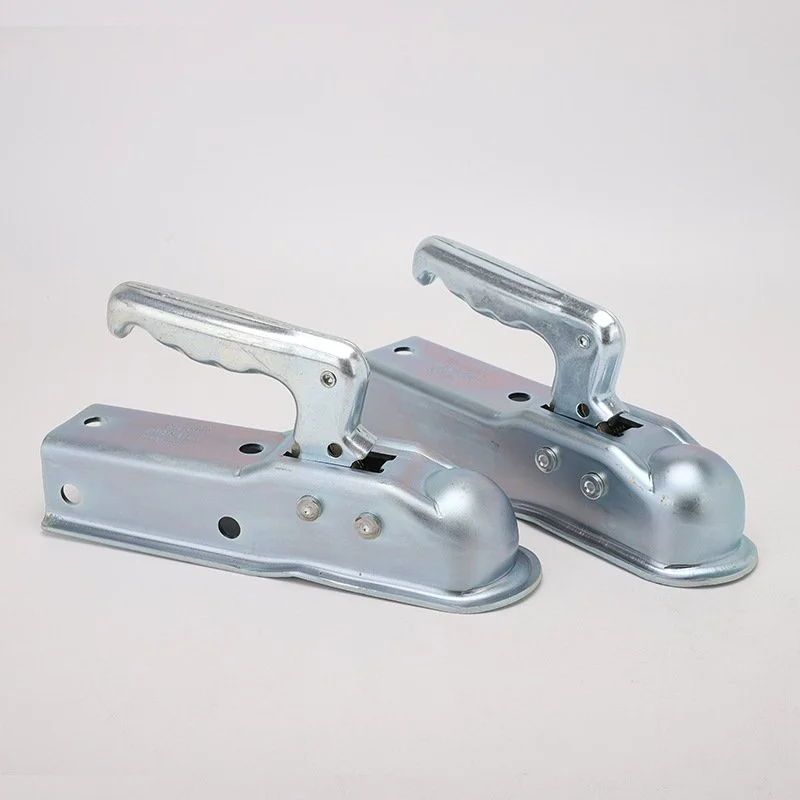
Understanding Trailer Couplers: Types, Functions, and Key Features
How Trailer Couplers Work with Hitch Systems
It is very important that the connection between the trailer coupler and hitch ball is safe for pulling to work. This link allows for flexibility during turns while keeping the structure strong when it's loaded. The coupler's opening holds the ball in place, and a locking system keeps the whole thing shut.
This design spreads stress across engineered contact areas so that it can handle the vertical and lateral forces that are created during shipping. Modern couplers have spring-loaded pawls or cam-action triggers that connect automatically, making it less likely for a user to make a mistake when hooking. As an extra safety measure, the trailer coupler pin stops the latch from moving when the trailer is being moved over rough building sites.
Common Coupler Types for Construction Applications
Different types of building call for different trailer coupler setups. When you physically tighten screw-type couplers around the hitch ball, they provide the highest level of security for transporting heavy goods over long distances. Latch-type designs have spring-loaded handles that make connection faster. This makes them perfect for jobsites that are always changing. Adjustable channel couplers work with hitch heights that change across groups of different vehicles.
This lets dump trucks and pickup trucks share trailer equipment without any problems. Electric couplers have hydraulic surge brake actuators that change the stopping force automatically based on how fast the vehicle is slowing down. This is very important when pulling big tractors or wagons with loads of materials on them.
Steel vs. Aluminum: Material Performance Comparison
The choice of material has a big effect on how long a trailer coupler lasts and how well it works. High-carbon steel couplers have better tensile strength and shear resistance, which is important for Class IV and Class V uses that need to handle loads of more than 10,000 pounds. Steel types usually get zinc plating or powder coating to stop rusting, but corrosion is still a problem in seaside or chemically-rich areas.
When compared to steel couplers, aluminum alloy couplers are about 40% lighter, which saves fuel and makes the tongue weight more evenly distributed. But aluminum has lower wear resistance when loaded and unloaded repeatedly. This means that choosing the right material for the job is very important when buying something.
Safety Features and Maintenance Fundamentals
Multiple levels of reliability are built into effective safety systems. Unauthorized disconnections are stopped by locking systems that use tumbler cylinders or keys to keep thieves out while equipment is stored overnight. Built-in safety chains provide backup retention if the main coupling breaks, and they are rated to match the gross weight requirements of the trailer.
On a regular basis, the trailer coupler—specifically its ball socket—needs to have socket wear patterns checked for ovalization, which is a sign that the bearing surface is wearing down. Regular lubrication with marine-grade grease makes latch mechanisms last longer and stops them from seizing up when there is a lot of dust around. Before every tow, the trailer coupler pin's retention clip should be checked visually to make sure the backup fail-safe is still working.
Choosing the Right Construction Trailer Coupler: Key Criteria and Comparison
Evaluating Load Capacity and Trailer Classifications
Correctly matching capacity stops catastrophic failures and makes sure that regulations are followed. Utility carts that carry generators or welding gear usually have Class II ratings, which mean they can carry between 3,500 and 5,000 pounds. This means they need 2-inch ball couplers with the right joint sizes. Class IV versions (7,500 to 10,000 pounds) with 2-5/16-inch ball diameters and reinforced A-frame construction are needed for equipment trucks that carry small excavators or skid steers.
The procurement teams have to figure out the gross trailer weight, which is the sum of the highest payload and the trailer's tare weight. They then have to choose trailer couplers that are rated at 1.25 times this weight to make sure there are safety gaps during emergency stops or navigation on steep grades.
Locking Mechanisms vs. Standard Designs
Standard trailer couplers only rely on latch retention, which works fine in controlled settings where someone is always watching. Different types of locking mechanisms have keyed cylinders that keep the latch mechanism in place and stop tampering during unsupervised times that are common on multi-phase building sites. This feature is especially useful for specialty trucks that carry expensive surveying or compacting tools.
Latch couplers usually cost 15–30% more than regular ones, but they're a small investment compared to the thousands of dollars that could be lost to theft. Pintle hook alternatives are good for heavy-duty jobs because they have vertical articulation that can handle rough ground while keeping the link strong.
Material Trade-offs: Durability, Weight, and Cost
Steel is the most common material for heavy-duty uses because it has been shown to last in harsh circumstances. A 12,000-pound cast steel joint usually costs between $80 and $150, and with proper care, it will last for years. Stainless steel versions cost 40 to 60 percent more, but they don't rust, which is great for marine building jobs or work in wastewater treatment plants. Aluminum trailer couplers for small loads (less than 6,000 pounds) cost between $60 and $100.
They save weight, which makes the tow vehicle's frame last longer and make it easier to move around on crowded urban job sites. Cost-effectiveness estimates must account for replacement frequency and downtime costs, not merely initial purchase price.
Adjustable and Electric Coupler Considerations
Adjustable trailer couplers solve the problem of making a group of different tow vehicles work together in the same way. These styles have vertical slots that let you change the height by 3 to 5 inches. This can account for differences in the height of the receiver hitch fitting or changes to the suspension.
This flexibility cuts down on the cost of redundant equipment because it lets a single trailer work with multiple cars at different stages of a job. In places that need surge brake systems, electric couplers with hydraulic brake actuators work with trucks that weigh more than 3,000 pounds. These systems add $150 to $300 to the base price of a coupler, but they offer proportional braking that lowers the wear on the tow vehicle and improves control on sloped building access roads where loads are falling.
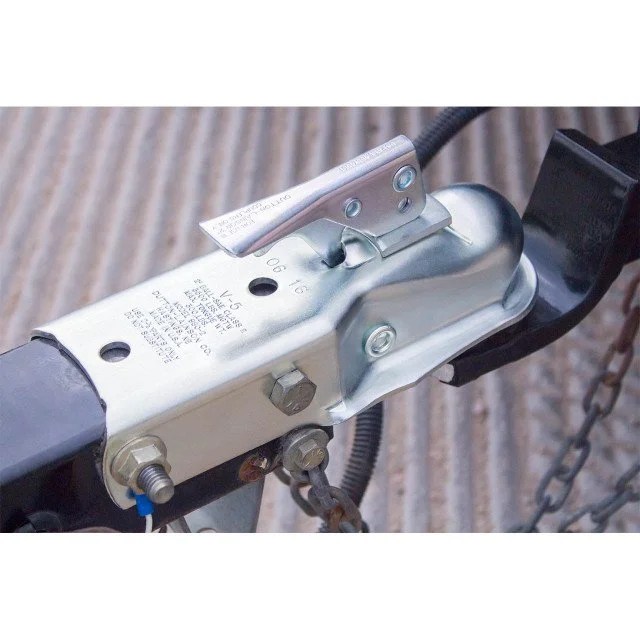
Installation, Maintenance, and Safety: Best Practices for Reliability
Step-by-Step Installation Protocol
The right way to install something starts with checking the A-frame for structural stability and weld quality before putting the trailer coupler unit in place. Set the coupler channel so that the trailer is level when it is linked to the hitch ball of the main tow vehicle. Secure the coupler with Grade 8 bolts that are torqued to the manufacturer's specs. For heavy-duty uses, this is usually 75 to 90 foot-pounds.
This will keep the coupler from coming loose when the machine shakes. Make sure the spring steel retainer clip fits all the way into the groove before putting the trailer coupler pin through the latch mechanism. Use the right S-hooks or clevis attachments to connect the safety chains. Cross the chains under the tongue to make a cradle effect that will catch the tongue if the main connection breaks.
Preventive Maintenance Routines
Scheduled repair keeps things working well and extends the life of services. Every two weeks, the trailer coupler latch spring tightness should be checked to make sure the device snaps shut without pausing or binding. Use wire brushes to clean the areas that touch the ball socket to get rid of rust scale or paint transfer that causes more friction and faster wear. Avoid using petroleum products on pivot points and moving surfaces because they break down rubber dust boots. Instead, use lithium-based grease.
Measure the inside diameter of the socket once a year with calipers, and replace the trailer couplers when they wear out more than 1/16-inch beyond the original ball diameter specs. This is because too much space between the couplers allows dangerous side-to-side movement during transport.
Compliance with Industry Standards
Professional purchasing teams give more weight to parts that meet SAE J684 standards. These standards set the rules for testing trailer couplers and safety chains. These standards require static tensile testing at forces up to three times the maximum capacity.
This protects the structure from shock loads during emergency situations. Occupational Safety and Health Administration rules say that all coupling devices used in business building must have the right load rates and clear capacity marks. As part of documentation packages, mill certificates should be included to prove the material composition and heat treatment methods. These certificates should help with quality assurance procedures and make risk management easier during safety checks or insurance reviews.
Market Insights and Procurement Strategies for Construction Trailer Couplers
Sourcing Channels and Supplier Evaluation
B2B procurement plans find a mix between lowering costs and making sure the supply chain works well. By working directly with manufacturers, you can avoid the markups that distributors add, which cuts the cost of parts by 20 to 35 percent and lets you get custom engineering help for unique uses. Online industrial suppliers are convenient and have a lot of options, but they might not have the expert tools to help with things like figuring out capacity or making material substitutions.
Regional wholesalers are useful because they keep goods close to home, which is very important when project deadlines require replacing broken parts right away. When judging suppliers, you need to look at their certificates, such as ISO 9001 for quality systems, ISO 14001 for environmental compliance, and OHSAS 18001 for workplace safety standards. These show that the process is mature and the quality of the output is consistent.
Bulk Purchasing and Volume Advantages
Consolidated procurement saves a lot of money for fleet managers who are in charge of various building departments. When buying uniform trailer coupler types in bulk, unit costs are 15–25% less than when buying one at a time. Negotiating yearly supply deals with manufacturers sets stable prices and protects against changes in the price of commodity steel, which can rise 30 to 50 percent during times of infrastructure investment. When you buy a lot of something, you should get custom packing like protective caps, corrosion-inhibiting vapor phase inhibitor bags, and palletized shipping. These options keep your items safe during foreign shipping and make getting them easier.
Custom Solutions for Unique Project Requirements
Catalog products cover 80% of building needs, but engineered solutions are needed for more complex jobs. Custom trailer coupler manufacturing can handle non-standard ball sizes, strengthened A-frame shapes for high load concentrations, or built-in mounting holes for extra gear like winch brackets or toolbox attachments.
Manufacturers that offer OEM customization services help with engineering by turning project guidelines into manufacturing models that are checked using finite element analysis. Custom fabrication usually has longer lead times (4–8 weeks) than normal inventory items, so it's important to plan ahead during the project sourcing steps.
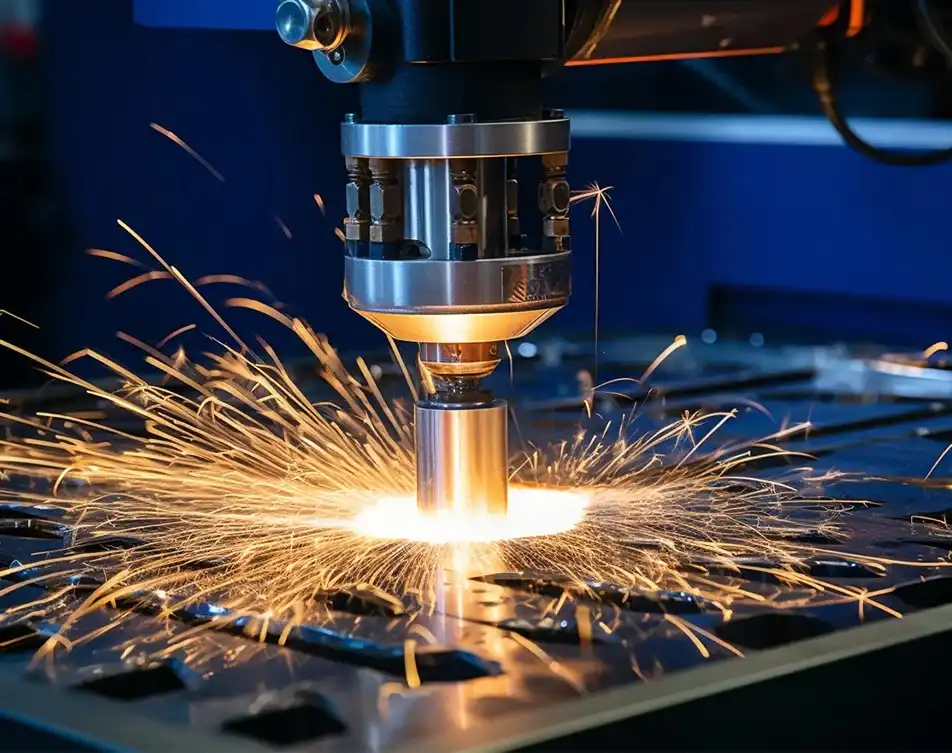
This unique ability is shown by Qingdao Kesheng Hongda Hardware Products Co., LTD, which offers a wide range of metal production services. Their building has secondary processes like powder coating, plating, and electrophoresis, as well as progressive pressing, CNC machining, and laser cutting.
This vertical integration lets changes be made, like using different mounting hole patterns, different surface treatments for chemically exposed areas, or changing the sizes to fit custom trailer coupler designs and custom trailer frame designs. Well-known companies keep a lot of aftermarket parts in stock, so new locks, pins, and safety clip parts are always easy to find throughout the product's lifecycle.
Future Trends and Innovation in Trailer Coupler Technology
Advanced Material Development
In emerging metallurgy, the focus is on high-strength low-alloy steels that work as well as carbon steel but are lighter. The tensile strength of these HSLA formulations is 80–90 ksi, which is higher than the usual 60 ksi grades. This means that the wall sections can be smaller, which reduces the weight of the parts by 15–20% without affecting their load ratings. Composite fiber-reinforced plastics are used in naval settings where resistance to corrosion is more important than absolute strength.
However, they haven't been widely used in heavy building yet because of worries about how long they will last when hit hard. When these materials are used in procurement strategies, fleets are ahead of governmental trends that want to reduce emissions and improve fuel economy by making vehicles lighter.
Smart Coupling Systems and Automation
Trailer couplers go from being inactive mechanical devices to active safety monitors when they are connected to the internet of things. Load cells built into prototype systems measure the tongue's weight in real time and let workers know if the weight isn't distributed correctly, which could cause the system to sway or lose control. Wireless sensors check if the latch is engaged, and a monitor in the cab shows this. This removes the need for walk-around checks after every hitching cycle.
Remote locking mechanisms that can be triggered through smartphone apps improve security while lowering the need for physical contact. This is useful for heavy equipment transport sectors that plan to use driverless vehicles. At the moment, these technologies are very expensive, but a trend study shows that they will become commonplace in 5 to 7 years as the costs of sensors drop.
Sustainability and Performance Standards Evolution
Environmental laws are having a bigger effect on the requirements for purchases. Powder coating methods are used instead of liquid paints because they don't release toxic organic compounds and are better at resisting chips and UV rays. Contractors who want to get LEED certification or meet company sustainability requirements like it when manufacturers use closed-loop water recycling systems and green energy sources.
New SAE standards are being made that will cover wear performance under cyclical loads, compatibility with electric vehicles taking into account changes in weight distribution and the effects of regenerative braking, and standardized mounting interfaces that make it easier for parts from different manufacturers to work together. Teams in charge of purchasing keep an eye on these changing standards so that their companies can quickly adjust when it's time to meet legal requirements.
Conclusion
When choosing a construction trailer coupler, you need to carefully consider the loads that will be used, the surroundings, and how the trailer will be used. For certain uses, the sturdiness of steel, the resistance to corrosion of stainless metals, and the light weight of aluminum all work well. By using torqued Grade 8 screws and following a strict maintenance plan, you can make sure that parts last as long as possible and avoid costly failures in the field. As smart technologies and new materials change the way couplings work, procurement workers need to find a mix between tried-and-true durability and new features. In the tough building market, having strategic supplier ties with makers that offer custom engineering support, bulk price structures, and full quality certifications gives you an edge.
FAQ
How Do I Determine the Correct Coupler Size for My Trailer?
Find the trailer's highest payload capacity and the gross vehicle weight number that is stamped on the compliance plate. Pick a connection that has a rating at least 25% higher than this GVWR. Match the coupler ball size to the size of the hitch you already have. For example, 2-inch balls are used for loads under 6,000 pounds, and 2-5/16-inch balls are used for trucks carrying heavier goods. Make sure that the coupler channel's width fits the A-frame size of your trailer.
What Signs Indicate Immediate Coupler Replacement?
Cracks that can be seen in the trailer coupler body or A-frame welds, more than 1/8-inch of play when attached to the ball, latch mechanisms that don't work properly, and socket wear that causes oblong deformation are all important warning signs. Corrosion that goes deeper than surface rust into the metal structure weakens its ability to hold weight. Any joint that was involved in a split should have a professional look at it, no matter how good or bad it looks.
Should Professional Installation Be Required?
Maintenance workers with experience and calibrated torque wrenches can change trailer couplers by following the manufacturer's directions. If you need to make changes to the trailer frame, fix it with welding, or are worried about risk with expensive equipment trailers, you should have a professional do the work. Commercial companies can benefit from qualified technician paperwork that helps them meet insurance and government rules.
Partner with RUIRUI for High-Performance Trailer Coupler Manufacturing
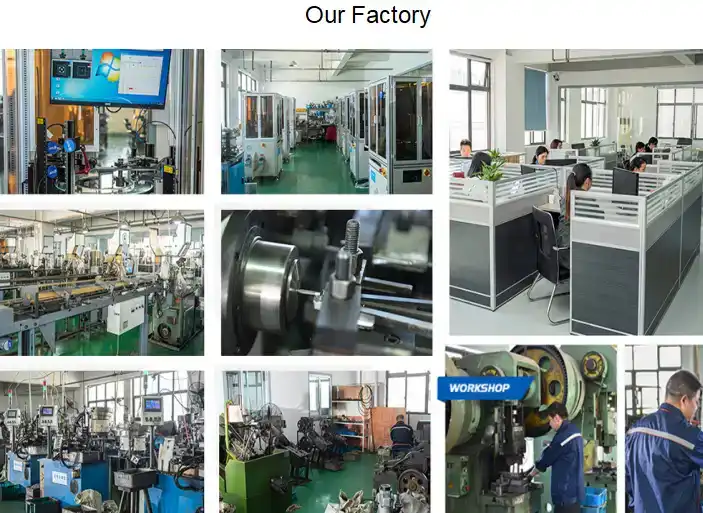
Finding dependable trailer coupler providers who can provide unique solutions at reasonable prices requires working with manufacturers with a lot of experience. RUIRUI is an expert at making precise metal products by mixing advanced surface treatment techniques with progressive pressing and CNC machining. Our factory is ISO 9001-certified and makes trailer pins, coupler parts, and special bolts that meet strict SAE standards. With eight specialized production lines that make 130,000 units a year, we give infrastructure builders and equipment distributors across North America the volume and quality consistency they need.
Our engineering team works directly with sourcing professionals to turn project requirements into optimized designs that are checked by strict testing protocols. Mild steel, stainless alloys, and coated steel are all good choices for different applications. Powder coating, zinc plating, and electrophoresis are some of the secondary processes that make the parts last longer in harsh settings. Get in touch with RUIRUI at kshdhardware@qdkshd.com to talk about your trailer coupler manufacturing needs and find out how factory-direct pricing and technical knowledge build long-term value in the supply chain.
References
1. Society of Automotive Engineers. (2019). SAE J684: Trailer Couplings and Hitches - Automotive Type. SAE International Standards.
2. National Highway Traffic Safety Administration. (2021). Federal Motor Vehicle Safety Standards: Trailer Hitch and Coupling Device Requirements. U.S. Department of Transportation.
3. American Welding Society. (2020). Structural Welding Code for Steel Trailer Manufacturing. AWS D1.1 Specifications.
4. Trailer Industry Association. (2022). Best Practices for Commercial Trailer Component Maintenance and Inspection. Professional Service Guidelines.
5. International Organization for Standardization. (2018). ISO 11407: Road Vehicles - Mechanical Coupling Between Towing Vehicles and Trailers. ISO Technical Standards.
6. Materials Engineering Research Institute. (2023). Comparative Analysis of High-Strength Steel Alloys in Towing Applications. Journal of Advanced Manufacturing Processes, Volume 47.

Send Inquiry
You may like